Close

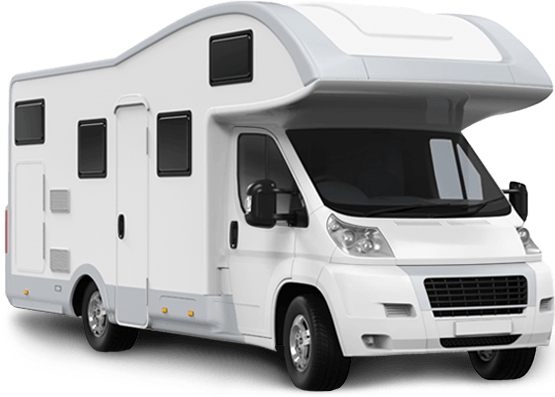
Driving an RV in the USA: Essential Guide for International Visitors
Driving an RV in the USA: Essential Guide for International Visitors
Driving an RV in the United States is very different from driving a campervan in Europe. Distances are longer, roads are wider, and rules, measurements, and customs can feel unfamiliar. Many international visitors are surprised by how US driving laws vary by state, how fuel is measured, or how campground systems work. Understanding these differences before you arrive helps you drive confidently, stay legal, and avoid unnecessary stress. This guide explains the most important US driving rules, licensing requirements, insurance basics, and everyday RV logistics using plain English. It is designed specifically for international travellers hiring an RV or campervan for the first time in the USA.
Driving licences for international visitors
Most international travellers can drive an RV in the USA using their full home-country driving licence, but requirements can vary by state and rental company.
- Your licence must be valid for the entire rental period and be in English, or accompanied by an International Driving Permit (IDP), which is a translation rather than a standalone licence.
- Only standard passenger car licences are typically accepted for most rental RVs, including large motorhomes, but some states set maximum weight or length limits.
- Rules can vary by state and occasionally by insurer, so always check licensing details before you travel.
For detailed licence requirements, see the driving licence FAQ.
US driving rules every RV renter should know
Road signs and traffic laws
- The USA drives on the right-hand side of the road, like mainland Europe.
- Speed limits are shown in miles per hour (mph), not kilometres, and are strictly enforced.
- Right turn on red is often allowed after coming to a complete stop, unless signs say otherwise or local rules prohibit it.
- School buses with flashing red lights mean traffic must stop in both directions; penalties for violations are severe.
Distances and fuel measurements
- Distances are measured in miles; 1 mile is about 1.6 kilometres.
- Fuel is sold by the gallon, not the litre; 1 US gallon is about 3.8 litres.
- Fuel prices are usually displayed before local taxes and vary by state and sometimes by county.
RV size, weight, and handling
American RVs are often larger than European campervans. Roads and parking areas usually accommodate this, but driving style and awareness matter.
- Take wider turns and allow longer braking distances.
- Use mirrors frequently, as rear visibility is limited and blind spots are larger.
- Height restrictions are especially important; always know your RV’s height and watch for low bridges, canopies, and fuel station overhangs.
Insurance and liability basics
Insurance systems in the USA differ from Europe and are an essential part of RV hire.
- Basic liability insurance (covering damage or injury to others) is normally included with rentals, but coverage limits and deductibles (often called excess) can be higher than European policies.
- Supplemental or optional insurance packages may reduce your financial responsibility for vehicle damage or third-party claims.
- Credit card insurance rarely applies to RVs or motorhomes and should not be relied upon without written confirmation.
Read the insurance FAQ carefully before booking.
Understanding US campgrounds and parking rules
Common US campground terms
- Full hookups: A campsite with electricity, fresh water, and sewer connection.
- Dump station: A designated place to empty waste water tanks.
- Boondocking: Camping without hookups, often on public land where it is permitted.
- State park: Government-managed parks with campgrounds; reservations are often required well in advance.
Wild camping is far more restricted in the USA than in Europe. Boondocking is only legal in specific areas and under specific rules, which vary by state and land agency. Always use designated areas and follow posted regulations.
Fuel stations, toll roads, and planning ahead
- Most fuel stations are easy to access with large vehicles, but some urban stations may be tight or unsuitable for high RVs.
- Toll roads are common; some use automatic licence-plate billing or electronic systems instead of cash, with fees charged later by the rental company.
- Plan distances carefully; in some regions fuel stations, rest areas, and services can be far apart.
Additional safety and practical considerations
- Propane systems are commonly used for cooking, heating, and refrigeration. Propane must usually be turned off when refuelling and may be restricted on some tunnels or ferries.
- In case of a breakdown or accident, contact the rental company immediately and follow their roadside assistance or reporting procedures.
- Emergency phone number: 911 is used nationwide for police, fire, or medical emergencies.
Choosing the right pickup location
Major cities are popular starting points for international RV trips. For example, many travellers begin in Los Angeles for West Coast routes or Denver for mountain and national park itineraries. Check local driving conditions, seasonal weather, and campground availability before finalising your plans.
Final tips for safe and confident RV driving
- Take time to learn the vehicle systems and dimensions at pickup.
- Plan to drive shorter daily distances than you would at home.
- Ask rental staff to explain anything unclear before leaving.
When you are ready, you can check current RV and campervan availability across the USA on USARVRentals.com.
Other Things to Consider
- Driving in Mountain Regions Safely
- Other State RV Regulations Explained
- RV Safety Tips for First-Time US Travelers
- RV Travel and Wildlife Safety
- Speed Limits, Distances, and Fuel Measurements in the USA
- State RV Rules: California
- Tipping Culture Explained for RV Travelers
- Understanding US Road Signs and Road Rules (Europe vs USA)