Close

RV Safety Tips for First-Time US Travelers
Introduction
Driving an RV or campervan in the United States is generally safe and well regulated, but it works differently from Europe in important ways. Road sizes are larger, distances are longer, and many rules are set at state or even city level rather than nationally. For first-time international visitors, misunderstandings about licences, insurance, fuel, campground systems, and vehicle size can quickly turn into safety issues or fines.
This guide focuses on practical RV safety tips for international travellers who may already have campervan experience in Europe but are new to the US system. It explains US-specific terminology in plain English, highlights key regulatory differences (noting where rules vary by state), and covers real-world driving, camping, and logistics. Use this information to prepare before you collect your RV and to avoid common mistakes once you are on the road.
Driving rules and road safety basics
Road rules you must know
- Vehicles drive on the right-hand side of the road, like most of Europe.
- Speed limits are in miles per hour (mph), not kilometres per hour. 60 mph is about 97 km/h.
- Right turn on red is often allowed after a full stop, but rules vary by state and city and some intersections clearly prohibit it.
- Stop signs always mean a complete stop, even on quiet roads.
- School buses with flashing red lights must not be passed from either direction; penalties are severe.
RV size awareness
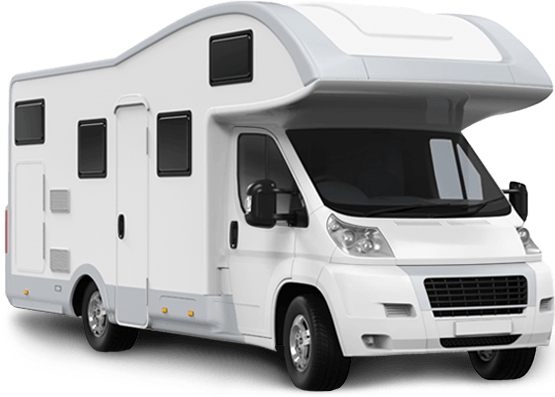
- US RVs are generally larger than European campervans.
- Bridges and tunnels show clearance in feet and inches, not metres.
- Always check your RV’s height before driving in cities, older areas, or on scenic routes.
Driving culture and long-distance travel
Americans are used to long drives. What looks short on a map may still take many hours.
- Distances are measured in miles; fuel is sold in US gallons (1 US gallon = 3.78 litres, not the larger UK imperial gallon).
- Motorways (called highways or interstates) can feel wide and fast but may have limited services.
- Plan fuel stops early in remote areas, especially in mountain or desert regions.
- In hot weather, watch engine temperature closely and allow extra cooling time.
Licensing and legal requirements
Many travellers can drive an RV with a standard car licence, but acceptance depends on the vehicle size, rental company policy, and state regulations. Some European licences require an English-language translation or an International Driving Permit.
Before booking, review the driving licence requirements carefully to ensure your documents are accepted for your specific RV and itinerary.
Understanding US insurance and liability
US insurance works differently from Europe, and coverage terms can vary by rental company and state.
- Rental RV insurance usually includes liability cover, but deductibles (similar to excess) can be higher than many European policies.
- Windscreens, tyres, underbody, roof damage, and wildlife collisions may be excluded or limited.
- Always check what roadside assistance is included and how to request help in case of breakdown or accident.
Fuel, propane, and electrical safety
Fuel types
- Most RVs use petrol (gasoline) or diesel, clearly stated at pickup.
- Green fuel handles often indicate diesel in the US, but colour conventions are not legally standardised, so always confirm.
Propane explained
Propane (also called LPG) powers cooking, heating, and sometimes the fridge. It is commonly required to be turned off while driving, on ferries, and when refuelling, although enforcement and exact rules can vary by state and location.
Electrical systems
- US campsites typically use 30-amp or 50-amp electrical hookups.
- You cannot plug US RVs directly into European-style sockets; adapters and voltage converters are not suitable for running the RV.
Campgrounds, parking, and overnight stops
Common US camping terms
- Full hookups: Electricity, fresh water, and sewer connection at your pitch.
- Dump station: A place to empty your waste water tanks.
- State park: A government-run park with regulated campgrounds.
- Boondocking: Camping without hookups, often on public land where permitted; legality depends on land ownership and local rules.
Rules vary widely by state, county, and city. For example, overnight street parking laws differ between places like Los Angeles and mountain cities such as Denver.
Weather, terrain, and seasonal safety
- Mountain roads may require lower gears and careful braking.
- Some states require snow chains or have seasonal restrictions during winter storms.
- Desert areas need extra drinking water and attention to overheating risks.
- Wildlife on roads is common at dawn and dusk; collisions can cause serious RV damage.
Before you drive away: safety checklist
- Confirm vehicle height, width, weight limits, and fuel type.
- Test brakes, headlights, indicators, and mirrors.
- Ask how to empty tanks, operate propane, and connect hookups.
- Store heavy items low, secure all cupboards, and locate emergency equipment.
Final thoughts
Understanding US-specific RV rules, insurance concepts, and state-level variations makes your trip safer and more enjoyable. With realistic expectations and preparation, driving an RV in the USA is straightforward and rewarding.
When you are ready, check current RV availability and pickup options on USARVRentals.com to start planning your route with confidence.
Other Things to Consider
- Driving an RV in the USA: Essential Guide for International Visitors
- Driving in Mountain Regions Safely
- Other State RV Regulations Explained
- RV Travel and Wildlife Safety
- Speed Limits, Distances, and Fuel Measurements in the USA
- State RV Rules: California
- Tipping Culture Explained for RV Travelers
- Understanding US Road Signs and Road Rules (Europe vs USA)