Close

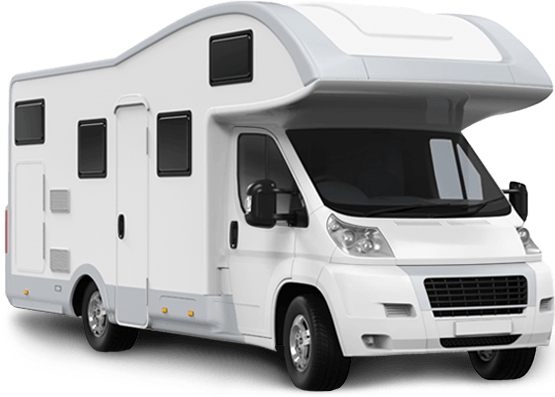
Speed Limits, Distances, and Fuel Measurements in the USA
Understanding speed limits, distances, and fuel measurements in the United States is essential for international RV travellers. Many visitors arrive with European driving experience but are unfamiliar with US units, signage, and fuel economy standards. In an RV or campervan, these differences matter more because vehicles are larger, journeys are longer, and fuel planning is part of daily travel. Misreading miles for kilometres or misunderstanding fuel efficiency can quickly affect your schedule and budget.
This guide explains how US speed limits work, how far places really are, and how fuel is measured and sold. It also links these measurements to real-world RV travel, including motorway driving, national parks, and refuelling in remote areas. The aim is to help you drive confidently and safely from your first day on the road.
Speed limits in the United States
All US speed limits are posted in miles per hour (mph), not kilometres per hour (km/h). There are no metric signs.
- Urban roads: typically 25–35 mph (40–56 km/h)
- Main highways: usually 55–65 mph (88–105 km/h)
- Interstate highways: often 65–75 mph (105–120 km/h)
Interstate highways are major multi-lane motorways designed for long-distance travel between states.
Speed limits can change frequently, especially near towns, roadworks, and state borders. Unlike many European countries, average-speed camera systems are uncommon, but this varies by state and region. Speed enforcement is primarily handled by state or local police.
RV-specific rules vary by state and sometimes by vehicle weight or size. Some states set lower maximum speeds for larger vehicles, while others allow RVs to follow the same limits as cars. Always follow posted signs.
Miles vs kilometres: understanding distance
Distances in the USA are measured in miles. One mile equals approximately 1.6 kilometres.
- 10 miles ≈ 16 km
- 50 miles ≈ 80 km
- 100 miles ≈ 160 km
Distances between cities are often much greater than European travellers expect. A drive that looks short on a map can still take several hours, particularly in western states where towns and services are widely spaced.
When planning routes from places such as Las Vegas or Salt Lake City, always allow extra time for fuel stops, slower mountain driving, traffic near cities, and rest breaks.
Fuel measurements: gallons vs litres
Fuel in the USA is sold by the gallon, not the litre. One US gallon equals approximately 3.8 litres.
- 10 gallons ≈ 38 litres
- 20 gallons ≈ 76 litres
Fuel prices are shown per gallon, which can look cheaper than European prices until converted.
Most RVs run on gasoline (petrol), while some larger motorhomes use diesel. Always confirm your vehicle’s fuel type before refuelling.
Many fuel pumps require payment by credit or debit card. Some international cards may not work at automated pumps, in which case you may need to pay inside the station.
Fuel economy and MPG
Fuel consumption in the USA is measured in miles per gallon (MPG). This is the opposite of litres per 100 km used in most of Europe.
- Higher MPG = better fuel efficiency
- Lower MPG = higher fuel consumption
Most RVs have much lower fuel efficiency than European campervans. It is normal for a large motorhome to use significantly more fuel, especially at higher speeds, in strong winds, or in hilly or mountainous areas.
Long-distance driving realities
US roads are generally wide, well-maintained, and designed for long-distance driving. However, services can be far apart in rural and desert areas.
- Fuel stations may be 50–100 miles apart in some regions, depending on the state and location
- Mobile phone coverage can be limited in national parks, mountains, and deserts
- Rest areas are public roadside stops with toilets and parking, commonly found on highways and free to use
Plan fuel stops conservatively and avoid letting the tank drop too low, especially before entering long rural stretches.
Useful US RV terms related to distance and fuel
You may encounter these terms when planning stops:
- Boondocking: camping without hookups, often far from services
- Full hookups: a campsite with electricity, water, and sewer connections
- Dump station: a place to empty wastewater tanks
- State park: a publicly managed park with organised campgrounds
Distances to fuel and dump stations are especially important when boondocking.
Driving licence and rental requirements
Driving licence requirements for RVs can vary by state, rental company, and vehicle size. Many international visitors are able to drive in the USA using their home driving licence if it is valid and in English or accompanied by an official translation.
An International Driving Permit may be requested by some rental companies or authorities and is often recommended even when not legally required. Always confirm current requirements before travel.
Detailed guidance is available on the driving licence FAQ.
Preparing for your US RV journey
Before collecting your campervan or motorhome, familiarise yourself with mph speed limits, mile-based distances, and gallon-based fuel pricing. Many travellers find it helpful to adjust navigation apps to display arrival times rather than distances.
When you are ready, you can check RV availability and pickup options across the USA on USARVRentals.com and start planning your route with confidence.
Other Things to Consider
- Driving an RV in the USA: Essential Guide for International Visitors
- Driving in Mountain Regions Safely
- Other State RV Regulations Explained
- RV Safety Tips for First-Time US Travelers
- RV Travel and Wildlife Safety
- State RV Rules: California
- Tipping Culture Explained for RV Travelers
- Understanding US Road Signs and Road Rules (Europe vs USA)