Close

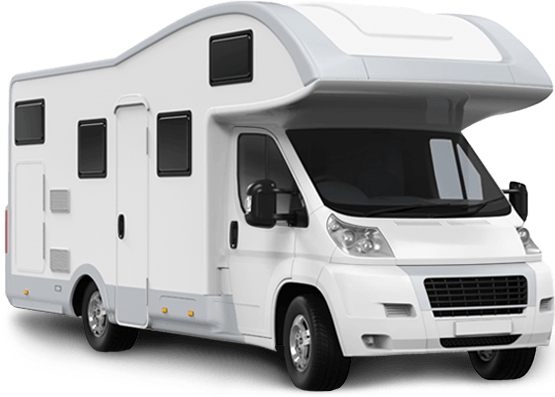
RV Height, Weight, and Length Restrictions
Why RV size and weight rules matter in the United States
If you are visiting the USA from Europe and hiring an RV or campervan, understanding height, weight, and length restrictions is essential. American RVs are often much larger than European campervans, and US roads, bridges, tunnels, campgrounds, and insurance rules are designed around these larger vehicles. A route that looks fine on a map may include low bridges, steep mountain passes, weight-restricted bridges, or park roads with strict size limits. Rental insurance cover can also depend on using the vehicle correctly and legally. Knowing the real-world limits before you drive helps you avoid damage, fines, denied access to parks, or insurance problems during your trip.
How RV measurements work in the USA
In the USA, RV dimensions are usually listed in feet and inches, and weights are shown in pounds (lbs). If you are used to metres and kilograms, this can be confusing at first.
- 1 foot = 30.48 cm
- 1 mile = 1.6 kilometres
- 1 pound (lb) ≈ 0.45 kilograms
Rental companies will provide official measurements for each vehicle. Always rely on the specific RV documentation rather than guessing or using European size categories.
RV height restrictions
Most US highways are designed for tall vehicles, but height restrictions still apply in cities, older roads, tunnels, parking structures, fuel stations, and some national and state parks.
- Typical US RV height: around 10–13 feet (3–4 metres)
- Low clearance risks: city streets, fuel stations, older bridges, tree-lined campgrounds
There is no single nationwide height limit consistently posted everywhere. Drivers are responsible for knowing their RV’s exact height and obeying posted clearance signs at all times. Clearance standards and enforcement can vary by state and by local authority.
If you are collecting an RV in Los Angeles or Denver, be especially cautious. Los Angeles includes older urban infrastructure and low-clearance routes, while Denver journeys often involve mountain roads with tunnels, steep grades, and weather-related restrictions.
RV length limits
Length restrictions are usually determined by the specific road, park authority, or campground rather than by a single national rule. This differs from Europe, where vehicle classes are often more tightly regulated.
- Typical RV lengths: around 19–30 feet for campervans and small RVs, up to about 40 feet for large motorhomes
- National parks and scenic byways may limit RV length to approximately 20–30 feet on certain roads
- Some public and private campgrounds cannot physically accommodate long vehicles even if access roads allow them
Always check campground and park vehicle limits before arrival. “Maximum RV length” usually refers to the total bumper-to-bumper length of the vehicle, not just the living area.
Weight limits and road access
Weight is commonly referenced as GVWR (Gross Vehicle Weight Rating). This is the manufacturer’s maximum safe operating weight of the RV, including passengers, water, fuel, luggage, and supplies.
- Some US roads and bridges have posted weight limits that apply to larger vehicles
- Mountain areas may introduce temporary restrictions for heavier RVs during severe weather or seasonal conditions
- Operating an RV above its GVWR can reduce braking performance and may affect liability or insurance coverage
While US highways and fuel stations are generally designed for heavier vehicles than in Europe, local and regional restrictions still apply and must be followed.
Understanding common US camping terms
- State park: A government-run campsite with rules set at state level; vehicle size and length limits vary by park
- Full hookups: Electricity, fresh water, and sewer connections at your campsite
- Dump station: A designated facility for emptying wastewater tanks
- Boondocking: Camping without hookups, often on public land; legality, access roads, and vehicle suitability vary by location and managing authority
Licensing and insurance considerations
Many international visitors are able to drive rental RVs using their standard car driving licence together with an International Driving Permit (IDP). However, licence acceptance can vary by state and rental company, and some larger vehicles may have additional requirements. Always confirm licence rules with your rental provider before booking.
Insurance cover typically depends on complying with posted road restrictions and operating the RV within legal size and weight limits. Damage resulting from ignoring clearance signs, road closures, or vehicle restrictions may not be covered. For authoritative details, see our insurance FAQ and your rental agreement.
Practical planning tips before you drive
- Write down your RV’s exact height, length, and GVWR and keep the information easily visible in the cab
- Use RV-friendly GPS or route-planning tools that consider height, length, and weight, rather than standard car navigation
- Confirm campground, park, and road restrictions before booking and again before driving
- Ask the rental depot about regional considerations, seasonal restrictions, and safe route options when you collect your vehicle
Next steps
Choosing the right RV size makes planning simpler and reduces stress on the road. Once you understand height, weight, and length considerations, you can confidently review RV availability and trip options on USARVRentals.com.
Other Things to Consider
- International Driving Permits and License Requirements for RV Rentals
- RV Checklists for Pick-Up Day
- RV Power, Batteries, and Generators Explained
- RV Travel in the Southwest (Arizona, Utah, Nevada)
- RV Travel with Children in the USA
- State RV Rules: Utah
- Understanding RV Pick-Up and Drop-Off Procedures in the USA
- Understanding RV Rental Insurance in the United States