Close

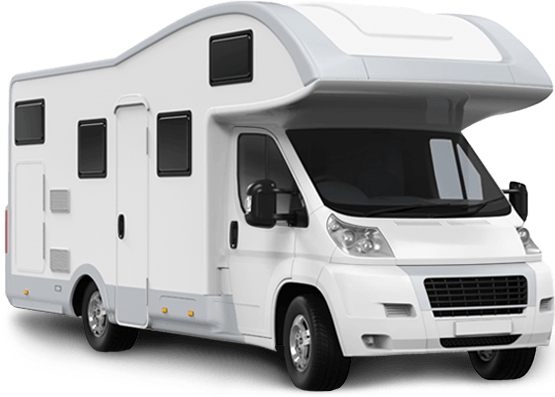
RV Travel in the Southwest (Arizona, Utah, Nevada)
Introduction
RV travel in the American Southwest is popular for its open roads, desert landscapes, and famous national parks. For European and international visitors, however, this region also highlights how different US rules, insurance systems, and driving practices can be. Arizona, Utah, and Nevada all feature long distances between services, extreme weather conditions, and US‑specific rental and insurance requirements that may feel unfamiliar if you are used to campervan travel in Europe.
This guide focuses on the regulatory and practical realities of RV travel in the Southwest. It explains insurance expectations, licensing, and common legal terms, as well as how US campground systems and driving rules can differ from Europe. Understanding these basics before you collect your vehicle helps you travel legally, safely, and with fewer surprises.
Driver licensing and age rules
Most RV and campervan rentals in Arizona, Utah, and Nevada accept a standard car driving licence from your home country, although requirements are set by individual rental companies.
- An International Driving Permit (IDP) is recommended for non‑English licences. It is a translation, not a standalone licence.
- Unlike some European countries, a separate RV or commercial licence is generally not required for rental motorhomes, provided you hold a valid car licence.
- Minimum driver age is typically 21 or 25, depending on the rental company and vehicle type.
Licensing acceptance is broadly similar across these states, which usually makes multi‑state trips straightforward, but travellers should always confirm terms with their rental supplier.
RV insurance in the Southwest
Insurance is one of the most important differences between the USA and Europe, and coverage structures can feel unfamiliar.
Mandatory liability cover
US law requires liability insurance, which covers damage or injury you cause to others. This is normally included in RV rentals, but minimum coverage levels are set by state law and may be lower than many European travellers expect.
Supplemental insurance options
- Collision and damage cover for the RV itself
- Additional liability protection above state minimums
- Coverage for windscreen, tyre, or roof damage
These protections are often optional add‑ons rather than automatic inclusions.
Insurance terms, excess (deductible) amounts, and exclusions vary by state and rental company. Review the details carefully and read the USARVRentals insurance FAQ for clear explanations: insurance.
Distances, fuel, and measurements
The Southwest typically involves much longer driving distances than most European routes.
- Distances are measured in miles (1 mile ≈ 1.6 kilometres).
- Fuel is sold in US gallons (1 gallon ≈ 3.8 litres).
- In remote areas, fuel stations may be many miles apart and are not always open 24 hours.
Motorhomes usually consume more fuel than European campervans, especially in desert heat, strong winds, and on long highway gradients.
Driving rules and road culture
Driving laws are broadly similar across Arizona, Utah, and Nevada, but can differ noticeably from European norms and may vary by local jurisdiction.
- Right turn on red is usually allowed after coming to a complete stop, unless signs indicate otherwise.
- Speed limits are posted in miles per hour and enforcement practices vary by state and area.
- Overtaking on multi‑lane highways is common and may occur on either side.
Roads are generally wide, but urban areas can be congested. Long, straight highways can increase fatigue, so regular breaks and driver changes are recommended.
Campgrounds and overnight rules
Types of campgrounds
- State parks: Government‑run campgrounds offering basic to moderate facilities.
- Private RV parks: Commercial sites with a wider range of services.
- National park campgrounds: Often scenic but frequently limited in size, services, and availability.
Many campgrounds require advance reservations, particularly during peak travel seasons.
Common US terminology
- Full hookups: A pitch with electricity, fresh water, and sewer connection.
- Dump station: A facility for emptying wastewater tanks.
- Boondocking: Camping without hookups, typically on public land where it is explicitly permitted.
Unlike parts of Europe, roadside or city overnight parking is often restricted, with rules set by local authorities and land managers.
Climate and safety considerations
The Southwest’s climate creates specific safety issues that require advance planning.
- Extreme summer heat—carry extra drinking water and monitor engine temperatures.
- Flash flooding can occur rapidly in desert and canyon areas after rain.
- High winds can affect tall RVs, especially on open highways and bridges.
Limited mobile phone coverage is common in remote areas, so inform someone of your route and carry basic emergency supplies. Pets, passengers, and vehicles can overheat quickly, making careful timing of daily driving important.
Starting points and multi‑state travel
Many international travellers collect RVs in major gateway cities such as Los Angeles or Denver before heading into the Southwest. Crossing state borders does not require paperwork, but insurance minimums, campground regulations, and local driving rules can vary by state and park agency.
Final planning advice
Before booking, confirm licence acceptance, insurance coverage, and campground reservations with your rental provider and accommodation operators. Familiarising yourself with US terminology and region‑specific regulations will make RV travel in the Southwest smoother and more enjoyable.
When you are ready, check current RV and campervan availability on USARVRentals.com and compare options that suit your travel plans.
Other Things to Consider
- International Driving Permits and License Requirements for RV Rentals
- RV Checklists for Pick-Up Day
- RV Height, Weight, and Length Restrictions
- RV Power, Batteries, and Generators Explained
- RV Travel with Children in the USA
- State RV Rules: Utah
- Understanding RV Pick-Up and Drop-Off Procedures in the USA
- Understanding RV Rental Insurance in the United States