Close

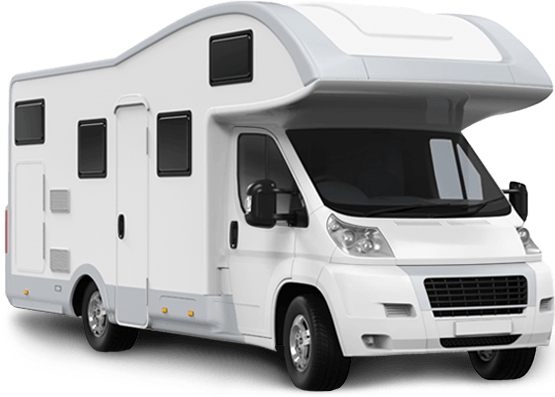
RV Travel with Children in the USA
Travelling through the United States by RV with children can be rewarding, but it involves rules and systems that are very different from Europe. Child safety laws, insurance requirements, campground facilities, and driving distances are US-specific and vary by state. Many international visitors are experienced campervan travellers but are surprised by details such as child restraint requirements in motorhomes, long highway drives measured in miles, and campsite facilities designed around large vehicles.
This guide focuses on the practical and regulatory aspects of RV travel with children in the USA. It explains what families need to know before collecting their rental vehicle, how US rules differ from Europe, and what to expect on the road and in campgrounds. Because rules vary by state and RV model, the information below should be treated as general guidance rather than legal advice.
Age, seat belt, and child seat rules
Child restraint laws in the USA are set at state level, not nationally. This means requirements can change as you cross state borders, and they may also differ depending on the type of vehicle.
Car seats and booster seats
In most US states, children are required to use age- and size-appropriate restraints, such as:
- A rear-facing or forward-facing car seat for infants and young children
- A booster seat for older children until they reach a minimum height, weight, or age set by state law
Unlike Europe, motorhomes are often regulated similarly to passenger vehicles for restraint purposes, but not all seating positions are approved for child seats. Many RVs only allow child seats on forward-facing dinette seats with factory-installed seat belts, and some positions may be restricted by the manufacturer or rental company rather than by law.
Always check the specific RV model, rental company policy, and state rules for your planned route. This is especially important when starting in major gateways such as Los Angeles or Denver, where trips often cross multiple states.
Families should also confirm whether they will bring child seats from home or rent them locally, and whether the rental company can supply seats that meet US standards.
Licensing and driver requirements for families
Most international visitors can drive an RV in the USA using their standard car licence, provided it is valid and either in English or accompanied by an International Driving Permit. Requirements can vary slightly by state and rental company.
Compared with Europe:
- Licence categories are simpler; a special motorhome licence is usually not required for typical rental RVs
- Automatic transmission is standard
- Vehicle size is larger, but licensing rules are generally less restrictive
Only approved drivers listed on the rental agreement may drive. This applies regardless of whether children are present in the vehicle.
Insurance considerations when travelling with children
Insurance is a key concern for families. US RV rentals typically include basic cover, but the level of protection and exclusions vary.
- Liability insurance generally covers damage or injury to others, up to set limits
- Collision and damage cover applies to the rental vehicle, often with a deductible
- Personal belongings, prams, and child equipment may have coverage limits or exclusions
Make sure any child seats you bring or rent are accepted under the rental company’s insurance and comply with US standards. For a detailed explanation, see the USARVRentals insurance FAQ: insurance.
Sleeping, seat belts, and safety while driving
In most US states and under most rental agreements, passengers are expected to remain seated and properly restrained while the RV is moving. Allowing children to move around the vehicle while driving may be illegal, against rental policy, or both, depending on the state and RV type.
Key differences from Europe include:
- Side-facing or rear-facing seats are often not approved for child restraints
- Sleeping in beds while driving is generally not permitted under rental policies and may be illegal in some states
- Police enforcement and interpretation can vary by state
Plan driving days carefully so young children can take breaks at rest areas, which are frequent on US highways.
Campgrounds and facilities for families
US campgrounds are often well-suited to family travel but operate differently from European sites, with specific rules set by park authorities or private operators.
Common US campground terms
- State park: Government-run campground, often near natural attractions such as lakes or forests
- Full hookups: Electricity, fresh water, and sewer connection at the pitch
- Dump station: Facility to empty the RV’s waste tanks
- Boondocking: Camping without hookups, often on public land where permitted
Many state parks offer ranger programmes, playgrounds, and safe cycling areas for children, but early reservations are often required. Quiet hours, speed limits, and rules about cycling or supervised play are commonly enforced.
Driving distances, supplies, and daily routines
Distances in the USA are long. Road signs use miles (1 mile = 1.6 km), and fuel is sold in gallons (1 US gallon ≈ 3.8 litres).
- Plan shorter driving days when travelling with children
- Supermarkets are large but may be less frequent in rural areas
- Carry water, snacks, and sun protection at all times
Public rest areas are generally free to use and common on highways, which is helpful for families.
Practical tips before you arrive
- Confirm child seat compatibility and availability before booking flights or RV rental
- Download offline maps, campground apps, and emergency contact information
- Explain US road rules (such as right turns on red and four-way stops) to older children
- Know that the US emergency number is 911, and campground hosts or park rangers are often the first local contact
Once you understand the rules and logistics, RV travel with children in the USA can be straightforward and flexible. You can check suitable RV options and availability for your family route on USARVRentals.com when planning your trip.
Other Things to Consider
- International Driving Permits and License Requirements for RV Rentals
- RV Checklists for Pick-Up Day
- RV Height, Weight, and Length Restrictions
- RV Power, Batteries, and Generators Explained
- RV Travel in the Southwest (Arizona, Utah, Nevada)
- State RV Rules: Utah
- Understanding RV Pick-Up and Drop-Off Procedures in the USA
- Understanding RV Rental Insurance in the United States