Close

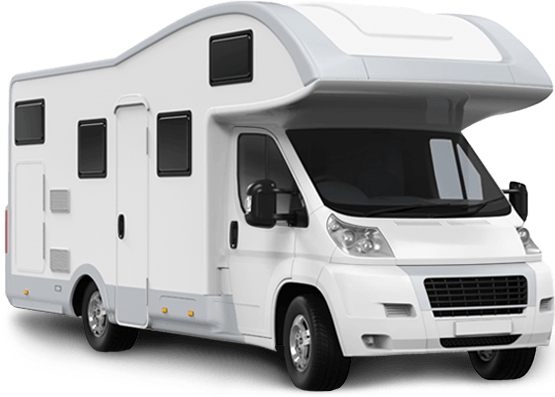
Understanding RV Pick-Up and Drop-Off Procedures in the USA
Introduction
RV pick-up and drop-off in the United States works differently from many European campervan rentals. Opening hours, insurance checks, vehicle inspections, and even the locations themselves can surprise first-time international visitors. Understanding these procedures in advance helps you avoid delays, unexpected overnight stays, or last-minute costs at the start or end of your trip.
In the USA, RVs are larger, distances are longer, and rental depots often operate more like vehicle service centres than city offices. Fuel types, measurements, insurance processes, and return conditions may also differ from what you know in Europe, and some rules vary by state and rental company. This guide explains what typically happens on pick-up and drop-off day, what documents you usually need, how insurance is handled, and how to plan your travel times so your RV holiday starts and ends smoothly.
RV Pick-Up Procedures in the USA
Rental depot locations and access
US RV rental depots are often located outside city centres. Unlike Europe, you should not assume easy access by public transport. Plan for a taxi, rideshare, or hotel shuttle when collecting your vehicle. Major RV gateways include Los Angeles and Denver, both of which have multiple rental providers in suburban or airport-adjacent areas.
Check-in timing and paperwork
Pick-up appointments are usually time-slotted. Arriving early does not guarantee earlier departure. Expect the process to take around 1–2 hours, depending on depot workload and orientation requirements.
- Passport and valid driving licence (see licensing notes below)
- Credit card in the main driver’s name for the security deposit (debit cards are often not accepted)
- Rental confirmation and insurance selection
Driving licences and age requirements
Most international visitors can drive an RV with their standard car licence, provided it uses the Latin alphabet. An International Driving Permit (IDP) is strongly recommended and may be required by some states or rental companies. Unlike Europe, RV size usually does not affect licence class, but minimum driver age typically ranges from 21 to 25 depending on the supplier and insurance terms.
Vehicle orientation and measurements
Staff will give a walk-through explaining how the RV works. Pay close attention to vehicle dimensions and handling. The USA uses feet and inches, not metres, which matters for bridges, fuel stations, drive-throughs, and campsites. Speed limits are posted in miles per hour, and US driving rules (such as right turn on red where permitted) may differ from European norms.
Insurance and Deposits at Pick-Up
Insurance is confirmed at pick-up and is not always included automatically by default. US RV insurance terminology differs from Europe, and cover levels, limits, and exclusions can vary by state and rental company.
You will typically review:
- Liability insurance (covers damage or injury to others; minimum limits are state-regulated)
- Collision and damage cover (covers the RV itself, often with conditions)
- Excess or deductible amounts (these terms are used interchangeably; amounts are often higher than in Europe)
Security deposits are usually blocked on a credit card rather than charged, and can be several thousand US dollars depending on vehicle type and cover selected.
For a full explanation of insurance options and terminology, see the insurance FAQ.
Understanding US-Specific Terms at Pick-Up
- Full hookups: A campsite with electricity, fresh water, and sewer connection.
- Dump station: A designated facility to empty waste water tanks.
- Boondocking: Camping without hookups, often on public land; rules vary by location and are set by local or federal authorities.
- Generator hours: Times when built-in generators may be used; restrictions vary by campground.
RV Drop-Off Procedures in the USA
Return time and late fees
Drop-off times are usually strict. Unlike some European rentals, returning even a few hours late may result in additional charges, which can include a full extra day depending on the rental agreement.
Fuel, propane, and water tanks
- Fuel (petrol or diesel, depending on the vehicle) must usually be returned full; fuel is sold in gallons, not litres.
- Propane levels may need to meet a minimum requirement specified in your contract.
- Waste tanks normally need to be emptied at a dump station unless a cleaning or convenience fee has been pre-purchased.
Cleaning and inspection
The RV should be returned in a generally clean condition. Inspections typically focus on exterior damage, tyres, windscreen chips, and interior cleanliness and functionality. Taking photos and videos on return, just as you did at pick-up, is recommended.
Planning Your Travel Around Pick-Up and Drop-Off Days
- Do not plan long driving days immediately after pick-up; allow time to familiarise yourself with the vehicle.
- Book a hotel near the depot before and/or after your rental, especially if arriving from an international flight.
- Allow extra time for refuelling and dumping on drop-off day, as facilities may be busy or located off-route.
Next Steps
Once you understand how pick-up and drop-off works, you can plan routes, accommodation, and flights more confidently. Check current RV availability and pick-up locations on USARVRentals.com to match your travel plans.
Other Things to Consider
- International Driving Permits and License Requirements for RV Rentals
- RV Checklists for Pick-Up Day
- RV Height, Weight, and Length Restrictions
- RV Power, Batteries, and Generators Explained
- RV Travel in the Southwest (Arizona, Utah, Nevada)
- RV Travel with Children in the USA
- State RV Rules: Utah
- Understanding RV Rental Insurance in the United States