Close

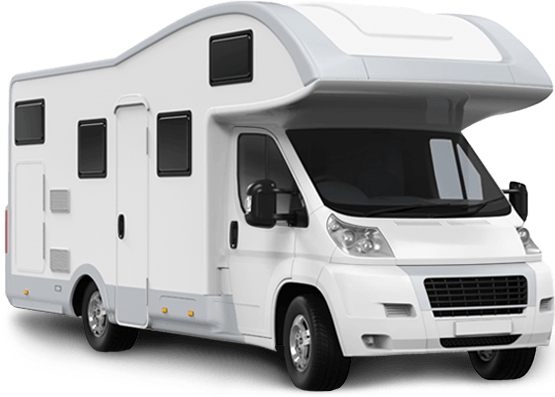
Driving in Desert Conditions
Introduction
Desert driving is very different from driving in Europe, and it can surprise first-time international RV travellers in the United States. Distances are longer, services are farther apart, temperatures can be extreme, and mobile coverage may be limited. Many popular US road trips from cities like Los Angeles or Denver involve desert regions where planning mistakes can quickly become safety issues. Understanding how fuel, water, cooling systems, road rules, and campgrounds work in desert environments is essential. This guide focuses on practical, real-world advice to help international visitors drive campervans and RVs safely and confidently through US desert conditions, even if they already have campervan experience elsewhere.
What Counts as ‘Desert Driving’ in the USA?
In the United States, desert driving generally refers to travelling through arid regions with:
- Very high daytime temperatures, especially from May to September
- Long distances between towns, fuel stations, and campsites
- Minimal roadside shade or services
- Wide highways and long straight roads
Unlike Europe, where services are frequent, you may drive several hours without reliable access to fuel, water, or mechanical help. Conditions vary widely by state and region, even within the same trip.
Distances, Measurements, and Fuel Planning
Miles, Not Kilometres
US road distances are measured in miles. One mile equals approximately 1.6 kilometres. Speed limits are shown in miles per hour (mph), and desert highways may have higher limits than European roads, depending on the state.
Fuel Is Sold in Gallons
Fuel (petrol or diesel, commonly called “gas” or “diesel” in the US) is sold by the US gallon, not litres. One US gallon equals about 3.8 litres.
- Do not assume you can “fill up later” in desert areas
- Refuel earlier than you might in Europe, especially on long stretches between towns
- Some fuel stations in remote areas may close at night or have limited hours
Water, Utilities, and Cooling Systems
Water management is critical in desert conditions. RVs and campervans carry fresh water tanks, which are separate from fuel systems.
- Carry more drinking water than you think you need
- Do not rely on finding potable (drinkable) water en route
- Confirm how your specific RV’s water, power, and waste systems operate before departure
Understanding water, electricity, and waste systems is essential, particularly if you plan to stay outside developed campgrounds. For detailed explanations, see the utilities FAQ.
Air Conditioning and Engine Cooling
Most RV air conditioning units run on electricity, not fuel. They only operate when:
- Connected to external electrical supply at a campsite (“shore power”, meaning a fixed mains connection)
- Using a built-in generator, if the vehicle is equipped with one
Driving uphill or at higher speeds in extreme heat places additional strain on engines. Reduce speed if needed, monitor temperature gauges closely, and stop safely if warning lights or overheating indicators appear.
Campgrounds, Boondocking, and Overnight Stops
US Campground Types Explained
- State parks: Government-run parks with marked campsites, usually basic but scenic; availability and facilities vary by state
- Private RV parks: Commercial sites that may offer facilities such as showers, laundry, and Wi-Fi
- Full hookups: A campsite with water, electricity, and sewer connections
- Dump station: A designated place to empty toilet (black water) and wastewater (grey water) tanks
Boondocking in the Desert
“Boondocking” refers to camping without services, often on public land. Rules vary by state, land authority, and specific location.
- No water, electricity, or toilets are provided
- Extreme heat can make overnight stays uncomfortable or, in some conditions, unsafe
- Always check local signage, permits, and restrictions before stopping
While boondocking can be less formal than many European systems, it carries greater responsibility for safety, waste handling, and environmental impact.
Road Rules, Driving Culture, and Safety
- Traffic drives on the right, and overtaking is usually on the left
- Seat belt requirements vary by state, but wearing seat belts at all times is strongly advised for all passengers
- Passing on the right is permitted in some states under specific conditions
- Desert highways often have wide shoulders, intended primarily for emergency stops
Because road rules and enforcement can differ by state, familiarise yourself with local regulations along your route.
Always carry:
- Extra drinking water
- Sun protection, including hats and sunscreen
- A charged mobile phone and offline maps or navigation
Insurance, Breakdowns, and Recovery
Rental RV insurance and roadside assistance coverage varies by supplier and policy. While many rentals include some form of roadside assistance, response times in desert regions can be long due to distance, weather, and limited services.
- Pull fully off the road if it is safe to do so
- Stay with your vehicle unless authorities or emergency services advise otherwise
- Conserve water and avoid unnecessary movement in extreme heat
Review your rental agreement carefully before departure so you understand exactly what assistance is included.
Before You Drive: Desert Checklist
- Fuel tank sufficiently topped up for the next long stretch
- Fresh water filled according to expected conditions
- Weather forecast checked for heat, storms, or road closures
- Campground or permitted overnight stop confirmed where possible
- Paper map available as a backup
Plan Ahead
Desert driving can be an unforgettable part of a US RV trip when approached with preparation and respect for local conditions and regulations. Once your route is planned, you can check campervan and RV availability for your travel dates on USARVRentals.com.
Other Things to Consider
- Dump Stations, Fresh Water Refills, and Propane in the USA
- Fueling Up an RV in the USA
- RV Travel and Severe Weather
- Shopping, Groceries, and Supplies on a US Road Trip
- State RV Rules: Arizona
- Understanding US National Parks for RV Travelers
- Winter RV Travel in the USA