Close

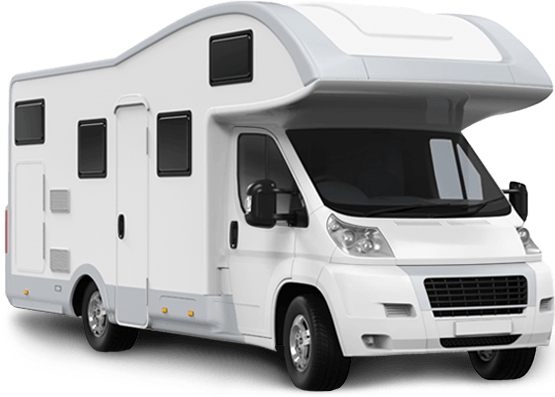
Fueling Up an RV in the USA
Fueling an RV in the United States is generally straightforward, but it works differently from Europe and can catch first-time visitors out. US fuel stations are designed primarily for self-service, vehicles are often larger, and measurements use miles per gallon rather than kilometres per litre. Regional fuel availability also varies by state and terrain, especially in desert and mountain regions where distances between stations can be much longer than expected.
For international travellers, understanding how to pay for fuel, which fuel type your RV uses, and how to plan fuel stops is essential for a smooth trip. This is particularly important if you are driving a larger motorhome, towing a vehicle, or travelling in remote areas. This guide explains how RV fueling works in the USA, what to expect at fuel stations, and how to avoid common mistakes new visitors make.
Fuel types used by US RVs
Most rental RVs in the United States use one of two fuels:
- Unleaded gasoline (petrol) – common in smaller campervans and mid-sized motorhomes, often referred to in the US as Class C (a motorhome built on a van or truck chassis).
- Diesel – more common in larger motorhomes, often called Class A (bus-style motorhomes).
Unlike Europe, gasoline and diesel nozzles in the USA are both widely available but clearly labelled. However, misfuelling can cause serious damage, so always check your rental documents and the fuel door label before filling.
Propane is separate from vehicle fuel. It powers appliances such as cooking, heating, and sometimes the fridge while parked. Propane is filled at dedicated refill stations, which may be located at truck stops, hardware stores, or specific service areas, rather than standard fuel pumps.
How fuel stations work in the USA
Self-service and payment
US fuel stations are almost always self-service. You usually pay in one of two ways:
- Pay at the pump using a credit or debit card.
- Prepay inside the shop if your card is declined at the pump.
International cards may sometimes be declined because many US pumps request a ZIP code for card verification. If this happens, go inside and tell the cashier which pump number you are using and how much fuel you would like to prepay.
Fuel prices and measurements
Fuel is sold by the US gallon, not the litre. One US gallon equals approximately 3.8 litres. Fuel economy is measured in miles per gallon (MPG), not litres per 100 kilometres.
Finding RV-friendly fuel stops
Not all fuel stations are suitable for large RVs. When driving a motorhome, look for:
- Large highway service centres or truck stops (facilities designed to accommodate large vehicles)
- Stations with wide entrances, turning space, and high canopies
- Pumps clearly labelled for diesel vehicles if required
This is especially important when travelling in busy urban areas or remote regions near Las Vegas or in mountain areas around Salt Lake City, where distances between stations can be significant and options more limited.
How often to refuel
Distances in the USA are often longer than most European travellers expect. A common safety guideline is to refuel when your tank reaches around one-quarter full, especially in desert, mountain, or national park areas.
Fuel station opening hours vary by state and region. In some rural areas, stations may close overnight or have limited hours, so do not assume fuel is always available late at night.
Fuel and campground facilities
Campgrounds do not sell vehicle fuel. Some may have:
- Dump stations – places to empty wastewater tanks.
- Full hookups – electricity, water, and sewer connections at your campsite.
Neither includes gasoline, diesel, or propane refilling. Propane availability near campgrounds varies by region and should be planned separately.
Safety tips when fueling an RV
- Turn off the engine and all appliances before fueling.
- Do not smoke or use open flames near fuel pumps.
- Double-check fuel type (gasoline vs diesel) before inserting the nozzle.
- Be aware of RV height when pulling under station canopies.
- Clean up spills immediately and notify station staff if needed.
Common questions from international travellers
Many first-time visitors ask about fuel requirements, payment rules, and propane usage. You can find more answers in the USARVRentals fuel FAQ at Fuel FAQs.
Final tip before you hit the road
Fuel planning is an important part of route planning in the USA. Allow extra time for fueling larger vehicles and avoid assuming stations will always be nearby, particularly outside major cities.
When you are ready to travel, you can check current RV availability and vehicle types across the USA on USARVRentals.com.
Other Things to Consider
- Driving in Desert Conditions
- Dump Stations, Fresh Water Refills, and Propane in the USA
- RV Travel and Severe Weather
- Shopping, Groceries, and Supplies on a US Road Trip
- State RV Rules: Arizona
- Understanding US National Parks for RV Travelers
- Winter RV Travel in the USA