Close

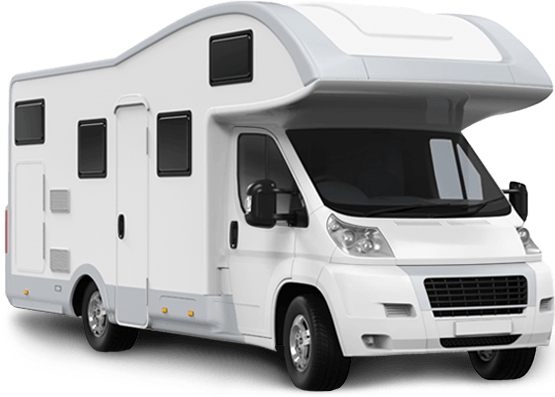
State RV Rules: Arizona
Understanding state-specific RV rules is essential for international travellers planning an Arizona road trip. Although US road signage often looks familiar, the legal limits, camping systems, and vehicle practices can differ from Europe and can also vary by state or local authority. Arizona is popular for desert landscapes and national parks, but its climate, long distances, and camping regulations require preparation. Knowing where you can legally park overnight, how water and waste systems work, and what driving limits apply helps reduce the risk of fines or travel delays. Many visitors arrive via major gateway cities such as Los Angeles or Denver, then cross state lines, making it especially important to understand Arizona’s local rules. This guide focuses on practical, real-world information to help first-time US RV travellers stay compliant, safe, and confident while exploring Arizona.
Driving rules and road basics in Arizona
Arizona generally follows standard US driving laws, but international visitors should be aware of several important points:
- Speed limits are displayed in miles per hour (mph), not kilometres per hour. Motorways, known in the US as “interstates” (high-speed, multi-lane highways), usually range from 65–75 mph, but lower limits apply in urban or mountainous areas.
- You drive on the right-hand side of the road, as in most of continental Europe.
- Right turns on red lights are commonly permitted after a complete stop, unless a sign specifically prohibits it. Enforcement and local customs can vary.
- Seat belts are mandatory for all passengers. Child seat laws are set at state level and are often stricter than in many European countries.
Long straight roads, limited services, and high temperatures can contribute to driver fatigue. Plan regular breaks and carry sufficient drinking water.
Licensing, age, and insurance
In Arizona, most travellers can generally drive a rental RV using a standard car driving licence from their home country if it is in English or accompanied by an International Driving Permit. However, licence recognition rules vary by state, and larger RVs may have additional restrictions depending on weight or rental company policy. Always confirm licence and age requirements with your rental provider before booking.
US rental insurance works differently from most European systems. Insurance is usually provided through the rental company and often includes excesses (deductibles) that apply per incident or per day. Coverage levels, exclusions, and roadside assistance terms vary, so it is important to review policy details carefully before travel.
RV size, measurements, and road access
US RVs are typically larger than European campervans, and all measurements are posted in US units.
- Typical rental RVs are approximately 20–30 feet (around 6–9 metres) in length.
- Fuel is sold in US gallons, not litres.
- Some scenic roads, tunnels, or urban areas have length, height, or weight restrictions; these are enforced through posted signage.
Arizona’s interstate highways are generally RV-friendly, but remote desert or forest roads may be unpaved or unsuitable for larger vehicles. Rental agreements often prohibit driving on certain road types.
Camping rules and overnight parking
Arizona offers several legal camping options, each managed by different authorities and subject to specific regulations:
- Private campgrounds: Commercially operated parks with designated pitches and on-site facilities.
- State parks: State-managed parks with regulated campgrounds and reservation systems. Rules are set by the Arizona State Parks authority.
- Federal land camping: Camping on land managed by federal agencies (such as the Bureau of Land Management) may allow limited free camping, but stay limits, vehicle access rules, and designated areas apply.
Boondocking refers to camping without connections to electricity, water, or sewer services. It is permitted only in specific areas and often for limited durations. Overnight parking on city streets, rest areas, or car parks is regulated at city or site level and is frequently prohibited unless explicitly allowed by signage or local ordinance.
Campground utilities and waste systems
US campground terminology differs from Europe and it is important to understand what each service includes:
- Full hookups indicate a camping pitch with electricity, fresh water, and a sewer connection.
- Dump station is a designated facility for emptying grey water and toilet waste tanks.
If you are unfamiliar with US RV utility systems, review procedures before travelling to avoid environmental violations or equipment damage. Additional guidance is available in the utilities FAQ.
Safety, climate, and desert conditions
Arizona’s desert environment presents conditions that may be unfamiliar to European visitors:
- Summer temperatures can exceed 40°C (104°F), increasing risks of dehydration and vehicle overheating.
- Carry ample drinking water and do not rely on frequent fuel or service stations in remote areas.
- Wildlife and open-range cattle—livestock legally allowed to roam freely—may cross roads without warning, especially outside urban areas.
Mobile phone coverage can be limited away from major highways and cities. Download offline maps and inform others of remote travel plans when possible.
Planning routes across state lines
Many international visitors combine Arizona with neighbouring states on a single trip. Driving, camping, and overnight parking rules can change at state borders and may also differ by county or land manager. If you collect your RV in Los Angeles or Denver, confirm that your rental agreement permits interstate travel and review the regulations for each state included in your itinerary.
Next steps
Once you are familiar with Arizona’s RV requirements, the next step is selecting an appropriate vehicle and travel dates. You can explore current availability and compare suitable RV options directly on USARVRentals.com.
Other Things to Consider
- Driving in Desert Conditions
- Dump Stations, Fresh Water Refills, and Propane in the USA
- Fueling Up an RV in the USA
- RV Travel and Severe Weather
- Shopping, Groceries, and Supplies on a US Road Trip
- Understanding US National Parks for RV Travelers
- Winter RV Travel in the USA