Close

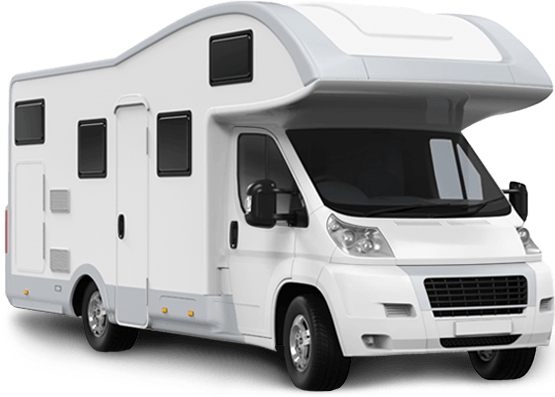
Best Time of Year to Travel the USA by RV
Choosing the right season is one of the most important decisions for an RV or campervan holiday in the United States, especially for international travellers. The USA covers multiple climate zones, from deserts to mountains to coastal rainforests, and driving distances are much longer than in most European countries. Weather affects road access, campground availability, insurance conditions, and even whether certain national parks or park roads are open to RVs.
Unlike Europe, where summer is generally the universal camping season, the best time for US RV travel depends heavily on region, elevation, and local regulations. Understanding seasonal extremes, school holiday peaks, and how US campground systems operate will help you avoid closed roads, unsafe conditions, and limited services. This guide explains US seasons in practical terms and highlights what first-time international RV travellers need to plan for.
Understanding US Travel Seasons for RV Trips
The US travel year is often described as four seasons, but for RV travellers it is more useful to think in terms of weather impact, road access, and campground operations, which vary significantly by state and location.
Spring (March to May)
Spring is a shoulder season in many parts of the USA. Temperatures are often moderate, crowds are lighter, and rental availability can be better than in peak summer.
- Mountain roads and higher-elevation national parks may still have snow closures well into spring.
- Southern states and desert regions can already be very warm by May.
- Some public campgrounds operate limited services or have delayed openings depending on weather.
This is often a good time for desert and southern routes, including areas around Phoenix, provided heat and water planning is considered.
Summer (June to August)
Summer is the peak RV season across much of the USA.
- School holidays and university breaks mean busier roads and campgrounds, especially near national parks.
- High temperatures in desert states can exceed 40°C (104°F), increasing risks of heat stress and vehicle strain.
- Mountain and northern areas generally have their fullest access and services, but afternoon storms are common.
Wildfires and wildfire smoke can cause sudden road, campground, or park closures in some regions. Conditions change quickly, so travellers should monitor local alerts and park service updates.
Autumn / Fall (September to November)
Autumn is a popular season for experienced RV travellers and can be suitable for first-time visitors with some flexibility.
- Cooler temperatures and fewer crowds after mid-September.
- Many campgrounds remain open through October, but some close early depending on elevation and snowfall.
- Snow can arrive early at higher elevations, affecting mountain passes.
This is often a good balance season in many states, including the Pacific Northwest around Seattle, though rain and early storms are possible.
Winter (December to February)
Winter RV travel in the USA differs greatly by region.
- Snow, ice, and freezing temperatures are common in northern and mountain states.
- Many public campgrounds close entirely or shut off water systems to prevent freezing.
- Southern states and coastal areas remain accessible and are popular winter destinations.
Not all rental RVs are winterised or suitable for freezing conditions. Travellers should confirm heating, insulation, and water system limitations with the rental provider before booking.
Weather, Distance, and Driving Considerations
US driving distances are long. While some travellers plan days of 300–400 miles (480–640 km), this can be tiring and challenging in a large RV, especially for visitors unfamiliar with US roads.
- Speed limits are posted in miles per hour, not kilometres.
- Fuel is sold in gallons, not litres.
- Weather, altitude, and temperature can change significantly within a single driving day.
Strong winds, extreme heat, wildfire smoke, steep grades, or snow can make RV driving more demanding than in a typical European campervan.
Campground Availability and Rules by Season
The US uses several campground systems, each with different booking rules and seasonal schedules:
- State Parks: Run by individual US states (not a single national system); typically well-maintained and often bookable months in advance.
- National Parks: Managed by the National Park Service; highly regulated, very popular, and subject to seasonal road and campground closures.
- Private RV Parks: Commercial parks that are often open year-round in many regions and usually offer more amenities.
Common terms you may see include:
- Full hookups: Electricity, water, and sewer connections at your campsite.
- Dump station: A shared facility to empty waste tanks.
- Boondocking: Camping without hookups, often on public land; legality, time limits, and seasonal access vary by state, agency, and location.
Insurance, Licensing, and Seasonal Regulations
Most international visitors can drive an RV using their standard car licence, but requirements vary by state and by the size or weight of the vehicle. Seasonal factors also affect compliance:
- Some rental insurance policies limit or exclude coverage for snow, ice, or winter driving conditions.
- Tire chains or traction devices may be legally required in certain mountain areas during winter or storms.
- Roads, passes, or tunnels may be temporarily or seasonally closed to RVs due to weather or safety restrictions.
Always review rental terms and official state or park guidance. See the planning FAQ for licence and booking basics, and the weather FAQ for seasonal risk considerations.
Choosing the Right Season for Your Trip
For many first-time international RV travellers, late spring and early autumn offer a good balance of accessibility, safety, and comfort in a wide range of regions. Summer trips require careful planning around heat, crowds, and availability, while winter travel is generally best limited to warmer regions or travellers with specific experience and suitable vehicles.
Once you have chosen your travel window, you can explore RV availability and suitable starting locations on USARVRentals.com.
Other Things to Consider
- Boondocking Explained: Free Camping in the USA
- Emergency Numbers and Roadside Assistance in the USA
- Overnight Parking Laws: Where You Can and Can’t Stay
- Packing Checklist for International RV Travelers
- Planning Long-Distance RV Routes in the United States
- RV Insurance vs Travel Insurance
- RV Travel Costs Explained for International Visitors
- RV Travel in New England
- RV Travel in the Rocky Mountains
- Security Deposits and Credit Cards
- State RV Rules: Florida
- State RV Rules: Texas
- Understanding KOA and Private RV Parks
- Using Public Lands for Camping
- What to Do If Your RV Breaks Down
- What to Expect at US Border Control with an RV