Close

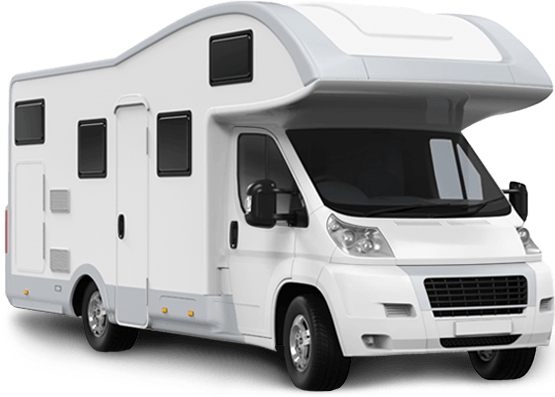
Packing Checklist for International RV Travelers
Packing Checklist for International US RV Travelers
For international visitors, packing for a US RV or campervan trip requires more planning than a typical European camper holiday. Vehicles are larger, distances are longer, and many everyday systems—from measurements to campground rules—work differently. What you bring with you can affect safety, comfort, and whether you can legally drive or camp as planned.
This checklist focuses on practical and regulatory essentials rather than general travel inspiration. It explains what to pack from home, what to buy after arrival, and what is commonly provided with a US rental RV. Where relevant, it highlights differences between the USA and Europe, such as miles versus kilometres, campground hookups, and US-style power and gas systems. Rules and inclusions can vary by state and rental company.
Use this guide alongside your rental confirmation and route plan to avoid overpacking, missing key documents, or arriving unprepared for US roads and campgrounds.
Essential documents and paperwork
Unlike many European rentals, US RV hire typically requires multiple documents to be carried with you at all times. Exact requirements can vary by state and rental provider.
Bring from home
- Passport and US entry documents (ESTA or visa, if required).
- Your full, valid physical driver’s licence. Temporary or digital-only licences are often not accepted.
- International Driving Permit (IDP) if your licence is not in English, as required by some states or rental companies.
- Travel and medical insurance details (paper and digital copies).
- Credit card in the main driver’s name for deposits, fuel, and incidentals.
Collect at pickup
- RV rental agreement and insurance documents.
- Emergency roadside assistance information.
- Vehicle inspection report.
Insurance rules, licence requirements, and documentation are explained in more detail in the packing FAQs, which many first-time US renters find useful.
Driving and navigation essentials
Driving an RV in the USA can feel different from Europe due to vehicle size, road design, traffic laws, and driving culture.
- Offline maps or a GPS app that works without mobile data.
- 12V or USB phone chargers compatible with US sockets.
- Printed route notes with distances in miles (1 mile ≈ 1.6 km).
- Sunglasses and sun protection for long highway or desert drives.
US speed limits are shown in miles per hour, fuel is sold by the gallon, and right turns on red lights are commonly allowed unless a sign says otherwise; however, this rule varies by state and by intersection.
Always check local road laws, allow extra braking distance for large vehicles, and watch for restrictions on RVs in city centres and older roads.
Clothing and personal items
Space inside a campervan or motorhome is limited, especially compared with European panel vans.
- Comfortable driving clothes and layers for changing climates.
- Closed shoes suitable for driving and campground walking.
- Light rain jacket; weather can vary widely by region and season.
- Personal toiletries and any prescription medication.
Many international travellers start their trip in Los Angeles or San Francisco, where large supermarkets and outdoor stores make it easy to buy bulky items after arrival.
RV living equipment: what to pack vs buy
Usually supplied with your RV
- Basic kitchen equipment (inclusions vary significantly by rental type and company).
- Fresh water and waste water hoses.
- Electrical hookup cable (often called a “shore power” cable).
Often not included
- Bedding, pillows, and towels unless added as an optional extra.
- Camping chairs and outdoor table.
- Food, spices, dishcloths, cleaning supplies, and paper towels.
In the USA, campgrounds may offer “full hookups”, meaning connections for electricity, fresh water, and sewage at your pitch. Some sites offer partial hookups or none at all. A “dump station” is a designated place to empty waste water tanks, often shared among multiple sites.
Power, fuel, and measurements
US systems differ from European standards and should be checked carefully.
- Electricity runs on 110–120 volts. European appliances usually need a suitable adapter and, in some cases, a voltage converter.
- Fuel is petrol (“gas”) or diesel, sold by the gallon (1 US gallon ≈ 3.8 litres).
- Propane is commonly used for cooking, heating, and refrigerators; handling rules and refill procedures can vary.
Check your RV’s height, length, and weight in feet and inches, especially when planning routes, refuelling, or entering older campgrounds, tunnels, or bridges.
Safety and campground norms
US camping culture uses its own terms and follows regulations that vary by state, campground type, and land authority.
- “State parks” are government-run campgrounds, often with scenic locations, defined quiet hours, and specific check-in rules.
- “Boondocking” generally means camping without hookups, usually on public land where explicitly permitted.
- Quiet hours are enforced in many campgrounds, with penalties for non-compliance.
For safety, consider packing a small torch, basic first-aid kit, reusable water bottles, and weather awareness tools. Be cautious with propane use, observe fire restrictions, store food securely in wildlife areas, and monitor forecasts for extreme heat, snow, or storms.
Final check before departure
- Confirm exactly what is included in your specific RV rental and what is optional.
- Download offline maps and campground or park apps.
- Plan your first night’s campground in advance, especially after long flights.
Once your checklist is complete, you can confidently compare vehicles and travel dates and check current RV availability on USARVRentals.com.
Other Things to Consider
- Best Time of Year to Travel the USA by RV
- Boondocking Explained: Free Camping in the USA
- Emergency Numbers and Roadside Assistance in the USA
- Overnight Parking Laws: Where You Can and Can’t Stay
- Planning Long-Distance RV Routes in the United States
- RV Insurance vs Travel Insurance
- RV Travel Costs Explained for International Visitors
- RV Travel in New England
- RV Travel in the Rocky Mountains
- Security Deposits and Credit Cards
- State RV Rules: Florida
- State RV Rules: Texas
- Understanding KOA and Private RV Parks
- Using Public Lands for Camping
- What to Do If Your RV Breaks Down
- What to Expect at US Border Control with an RV