Close

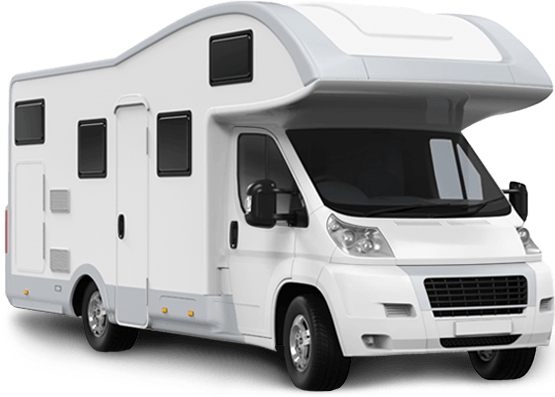
RV Insurance vs Travel Insurance
Introduction: why insurance causes confusion for international RV travellers
For many European and international visitors, insurance is one of the most confusing parts of planning an RV or campervan holiday in the United States. In Europe, vehicle insurance and personal travel insurance often overlap or are regulated in similar ways. In the USA, they are generally separate products, and misunderstanding the difference can leave travellers under-protected or paying for cover they do not need.
This guide explains the practical difference between RV insurance and travel insurance in the USA, what is commonly included in an RV rental, and what you may still need to arrange yourself before driving on American roads. It focuses on real-world situations international travellers commonly face on their first US RV trip, while noting that rules and coverage can vary by state and rental company.
RV insurance: what it covers in the USA
RV insurance in the United States is vehicle-focused insurance. It applies to the motorhome or campervan itself and to your legal responsibilities as a driver. Coverage terms, names, and limits can vary depending on the state, the rental company, and the insurance option selected.
Typical inclusions in RV rental insurance
- Liability coverage: pays for damage or injury you cause to other people or property. This may be provided as state-minimum liability or as a higher optional cover such as Supplemental Liability Insurance (SLI).
- Vehicle damage cover: often provided through a Collision Damage Waiver (CDW) or Loss Damage Waiver (LDW), which limits your financial responsibility for damage to the RV, usually with an excess (called a deductible in the USA).
- Theft and vandalism protection, typically subject to policy conditions and exclusions.
Unlike many European countries, US liability limits are set at the state level and can be relatively low. Rental companies usually include state-required minimums and may offer higher limits as an upgrade.
What RV insurance does not cover
- Medical treatment for you or your passengers.
- Trip cancellation or interruption.
- Lost luggage or most personal belongings.
- Non-driving-related accidents, such as hiking injuries.
This is where travel insurance becomes essential.
Travel insurance: what it covers on a US RV trip
Travel insurance is personal insurance for you as a traveller, not for the vehicle.
Key travel insurance benefits for RV travellers
- Emergency medical treatment in the USA (which can be very expensive without insurance).
- Hospitalisation, ambulance services, and repatriation.
- Trip cancellation, interruption, or delay.
- Lost or stolen personal items, subject to policy limits.
European travellers are often surprised that national healthcare systems and EHIC/GHIC cards do not apply in the United States.
RV insurance vs travel insurance: side-by-side comparison
- RV insurance: protects the vehicle and covers driving-related liability, subject to state law and rental terms.
- Travel insurance: protects you personally and your travel plans.
- Most travellers need both for a US RV holiday.
- They are purchased separately and serve different legal and practical purposes.
Common US-specific terms explained
Deductible
The amount you must pay yourself before insurance or a damage waiver covers the rest. In Europe this is often called an excess.
Liability
Your legal responsibility if you injure someone or damage property while driving.
Supplemental Liability Insurance (SLI)
Optional coverage that increases liability limits above the state minimums included in many rentals.
Collision / Loss Damage Waiver (CDW/LDW)
A waiver that limits your financial responsibility for damage to the RV, usually with conditions and exclusions.
Roadside assistance
Help for breakdowns, flat tyres, or lockouts. This is often offered separately from insurance and terms vary by provider.
Driving and rental rules that affect insurance
Insurance and damage waivers generally depend on following US rental and road rules, although exact consequences vary by policy:
- All drivers must be listed on the rental agreement.
- Driving is on the right-hand side of the road.
- Distances and speed limits are shown in miles, not kilometres.
- Fuel is sold by the gallon, not litres.
- Some rentals restrict travel on unpaved roads or into certain regions.
Serious violations, such as driving under the influence of alcohol or drugs, reckless driving, or unauthorised use of the vehicle, may void coverage according to rental terms.
Pickup locations and insurance considerations
Major RV pickup cities like Los Angeles and Denver involve different driving environments, from busy multi-lane highways to mountain roads. Insurance options are generally the same regardless of location, but local driving conditions may influence risk and your choice of coverage levels.
Planning tips for international travellers
- Check whether RV insurance is included in your rental price or offered as optional add-ons.
- Ask what level of liability cover is provided and whether SLI is available.
- Confirm medical cover limits in your travel insurance policy.
- Understand deductible amounts and waiver conditions before pickup.
- Carry insurance and rental documents digitally and on paper.
More planning questions are covered in the planning FAQs.
Final thoughts
Understanding the difference between RV insurance and travel insurance helps reduce costly surprises during your US road trip. Because coverage rules vary by state and rental provider, reviewing your specific documents before departure is essential.
When you are ready, you can check RV availability and pickup locations across the USA on USARVRentals.com.
Other Things to Consider
- Best Time of Year to Travel the USA by RV
- Boondocking Explained: Free Camping in the USA
- Emergency Numbers and Roadside Assistance in the USA
- Overnight Parking Laws: Where You Can and Can’t Stay
- Packing Checklist for International RV Travelers
- Planning Long-Distance RV Routes in the United States
- RV Travel Costs Explained for International Visitors
- RV Travel in New England
- RV Travel in the Rocky Mountains
- Security Deposits and Credit Cards
- State RV Rules: Florida
- State RV Rules: Texas
- Understanding KOA and Private RV Parks
- Using Public Lands for Camping
- What to Do If Your RV Breaks Down
- What to Expect at US Border Control with an RV