Close

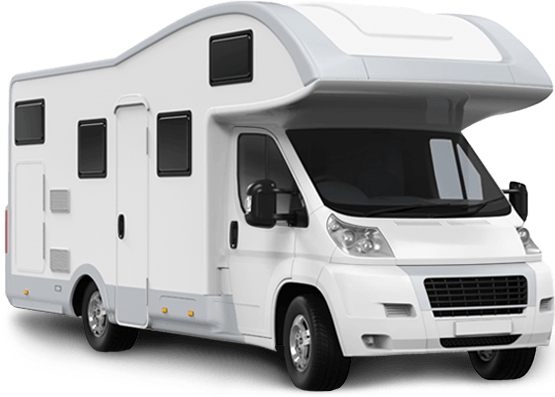
RV Travel in the Rocky Mountains
RV Travel in the Rocky Mountains
The Rocky Mountains are one of the most dramatic regions to explore by RV in the United States, but they also present challenges that many international travellers do not encounter in Europe. High elevations, steep grades, long distances between towns, and a different campground system mean that careful planning is essential. Rules around driving, speed limits, fuel, and overnight parking can feel unfamiliar if you are used to European campervan travel, and they can vary by state and season.
This guide focuses on the practical realities of RV travel in the Rockies rather than inspiration. It explains US-specific terminology, highlights key safety and regulatory considerations, and compares US practices with Europe where helpful. If this is your first RV holiday in the US, understanding these basics will help you travel more confidently and avoid common mistakes.
Understanding distances, roads, and driving style
Longer distances and mountain driving
Distances in the United States are measured in miles, not kilometres (1 mile = 1.6 km). In the Rocky Mountains, journeys that look short on a map can take much longer due to winding roads, steep gradients, weather conditions, and lower speed limits on mountain passes.
- Speed limits are posted in miles per hour (mph) and may change frequently in mountain areas.
- Mountain roads may have slow lanes for heavy vehicles, and some routes have vehicle length or weight advisories.
- Sharp descents often include runaway truck ramps for emergency use.
Compared with Europe, US drivers generally maintain steady speeds and expect large RVs to use the right-hand lanes. Overtaking is less aggressive, but patience is important when climbing long grades. In some states, vehicles towing trailers are restricted to certain lanes.
Fuel types and measurements
Fuel is sold by the gallon (1 US gallon = 3.8 litres). Petrol is called “gasoline” or simply “gas”. Diesel is widely available at truck stops but may be limited at small rural stations.
- Regular unleaded fuel is usually sufficient for petrol RVs, but rental providers specify fuel requirements.
- Diesel pumps may be located in separate lanes designed for larger vehicles.
- Fuel stations can be far apart in mountain regions, so refuelling earlier than planned is advisable.
Licensing, insurance, and rental rules
Driving licence requirements
Many travellers can drive an RV in the US using a standard full car licence from their home country, but requirements can vary by state and by vehicle size. Unlike some European countries, a special category is not usually required for most rental motorhomes. An International Driving Permit is generally recommended, and some rental companies require it if your licence is not in English.
Insurance basics
US rentals include mandatory insurance, but coverage works differently from Europe and varies by provider and state. Excess amounts (deductibles) are common, liability limits may differ from European norms, and damage to the interior is often treated separately. Before travel, review the planning guidance in the planning FAQs to understand what is typically included and what optional cover may be available.
Campgrounds and overnight stays
Types of campgrounds
The US campground system is very different from Europe. Wild camping is generally not allowed unless specifically permitted by the land manager, and rules vary by state, park, and type of public land.
- National Park campgrounds: Located inside national parks, often basic and without hookups, with strict length limits.
- State Parks: Managed by individual states; usually well maintained and popular with families.
- Private RV parks: Commercial campgrounds with more facilities and clearer vehicle size acceptance.
Facilities are usually described by hookups:
- Full hookups: Electricity, fresh water, and sewer connection at your pitch.
- Partial hookups: Usually electricity and water only.
- No hookups: No on-site connections.
US-specific terms explained
- Dump station: A designated place to empty waste water tanks; using roadside drains is not permitted.
- Boondocking: Parking overnight without hookups, typically on public land where explicitly allowed and subject to local rules.
- Pull-through site: A pitch you can drive through without reversing, useful for longer RVs.
Weather, altitude, and safety
Seasonal access and traction rules
Snow can close mountain roads well into late spring, and some passes close entirely during winter. Tyre chain or traction-device requirements can apply during certain conditions, depending on the state and road authority.
- Check official road status and weather forecasts before travel days.
- Allow extra fuel, food, and water in case of delays.
- Expect cooler temperatures at night, even in summer.
Altitude, wildlife, and vehicle considerations
High elevations can affect both people and vehicles. RV engines may feel less powerful, braking distances can increase on long descents, and travellers may experience mild altitude sickness. Drink plenty of water and plan slower travel days.
Wildlife such as deer, elk, and bears are common in the Rockies. Collisions are more likely at dawn and dusk, and food storage rules are enforced in many park areas. Propane use may also be restricted in tunnels, ferries, or specific locations.
Logistics and gateways to the Rockies
Many international visitors collect their RV near major cities before heading into the mountains. Denver is a common starting point due to its proximity to the Rockies and good flight connections. Some travellers include a longer journey from the West Coast, collecting near Los Angeles and crossing several states.
Wherever you start, plan supply stops before entering remote areas, as supermarkets, fuel, repair services, and mobile coverage are limited in mountain regions.
Final planning tips
- Book campgrounds well in advance during the summer and holiday periods.
- Build shorter driving days than you would in Europe.
- Carry printed or offline confirmation for campground reservations.
- Allow flexibility for weather-related or road-closure changes.
When you are ready to turn your plans into dates and routes, you can check current RV availability on USARVRentals.com and match the right vehicle to your Rocky Mountains itinerary.
Other Things to Consider
- Best Time of Year to Travel the USA by RV
- Boondocking Explained: Free Camping in the USA
- Emergency Numbers and Roadside Assistance in the USA
- Overnight Parking Laws: Where You Can and Can’t Stay
- Packing Checklist for International RV Travelers
- Planning Long-Distance RV Routes in the United States
- RV Insurance vs Travel Insurance
- RV Travel Costs Explained for International Visitors
- RV Travel in New England
- Security Deposits and Credit Cards
- State RV Rules: Florida
- State RV Rules: Texas
- Understanding KOA and Private RV Parks
- Using Public Lands for Camping
- What to Do If Your RV Breaks Down
- What to Expect at US Border Control with an RV