Close

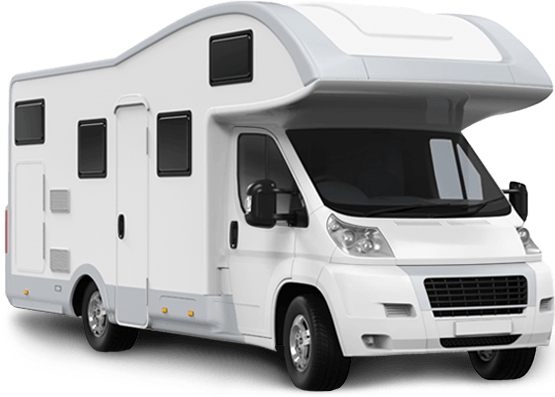
What to Do If Your RV Breaks Down
Why breakdown planning matters for international RV travellers
If you are visiting the United States from Europe or elsewhere, an RV breakdown can feel more stressful than at home. Distances between towns are often much longer, mobile phone coverage can be limited outside cities, and US roadside rules, insurance processes, and terminology may be unfamiliar. RVs are also larger than most European campervans, which affects where you can safely stop and who is permitted to tow or repair them. Specific rules and support processes can vary by state and by rental contract.
This guide explains what to do if your RV breaks down in the USA. It focuses on practical, real-world steps: staying safe on American highways, contacting your rental provider, understanding roadside assistance, and managing repairs and accommodation. Knowing these basics before you start your trip can save time, money, and unnecessary stress.
Step 1: Get yourself and the RV to a safe place
Your first priority is safety. US roads are often wide and fast, especially interstates (major motorways).
- If possible, pull fully onto the shoulder (emergency lane) or into a rest area or parking lot.
- Turn on hazard lights immediately.
- In many situations, remaining inside the vehicle with seatbelts fastened is safer than standing near traffic. Only exit if it is clearly safe to do so.
- If you have reflective warning triangles, place them behind the RV only if it can be done safely and local rules allow. Practices vary by state and highway type.
In the USA, distances are measured in miles, not kilometres. A “next exit in 10 miles” means around 16 km, which may be too far to continue driving if something feels wrong.
When to call emergency services
Call 911 only if there is immediate danger (for example an accident, fire, medical emergency, or the RV is stopped in active traffic lanes). For mechanical problems without immediate danger, contact your rental company or roadside assistance provider instead.
Step 2: Contact your RV rental provider immediately
Most US RV rental companies require you to notify them as soon as a breakdown occurs. This is important for safety coordination, insurance coverage, and authorising repairs. Exact requirements depend on your rental agreement.
- Use the 24-hour support number provided at pickup.
- Share your exact location (GPS coordinates from your phone are usually acceptable).
- Describe the issue clearly (warning lights, flat tyre, engine noise, loss of power).
Do not authorise repairs yourself unless the rental company explicitly tells you to. In many US rentals, repairs require prior approval to remain covered.
Step 3: Use roadside assistance (how it works in the USA)
Most US RV rentals include some form of roadside assistance, either bundled with the rental or offered as an optional add-on. Coverage levels and processes vary by provider.
- Assistance is often coordinated by the rental company rather than contacted directly by the driver.
- Wait times can be longer in rural or remote areas.
- Towing an RV requires specialist equipment; not all local tow operators can handle large motorhomes.
Roadside assistance commonly covers flat tyres, dead batteries, lockouts, or towing to the nearest suitable repair facility, subject to the terms of your contract.
Step 4: Understand repairs, delays, and accommodation
US RV repair shops may not be close by, especially outside major cities. Repairs can take days due to distance, workshop capacity, or parts availability.
- The rental company will advise whether to wait, swap vehicles, or travel (if safe) to a service centre.
- You may be asked to stay near the RV until next steps are confirmed.
- Hotels, replacement vehicles, or alternative transport may be arranged depending on the rental terms and the nature of the breakdown.
This process can feel slow compared with Europe, but large distances and RV-specific logistics make this relatively common in the US.
Step 5: Know where to stay if the RV cannot move
If your RV breaks down in a campground:
- Inform the campground office or host immediately.
- Most organised campgrounds are familiar with breakdown-related delays.
- You may be allowed to stay extra nights without moving, subject to availability and campground rules.
US campground terms you may hear:
- Full hookups: electricity, fresh water, and sewer connection at the site.
- Dump station: a designated place to empty wastewater tanks.
- State park: a government-run park with organised campgrounds; rules and enforcement are typically stricter than informal European sites.
- Boondocking: camping without hookups, often on public land. This is generally not recommended if your RV has mechanical problems.
Step 6: Insurance, responsibility, and documentation
US RV insurance and liability rules differ from Europe and can vary by state and rental company:
- Insurance is commonly linked to the vehicle rather than an individual driver.
- Only drivers authorised on the rental agreement are normally covered.
- Accidental damage, wear-and-tear, and mechanical failure may be treated differently under the policy.
Take photos of the issue and keep written notes of what happened and who you spoke to. If you are unsure how coverage works, review the relevant guidance in the planning FAQs.
City considerations for breakdown response
Response times and access to repair facilities vary by region:
- Major cities like Los Angeles usually have more repair options, but traffic and towing logistics can cause delays.
- Outdoor hubs such as Denver are well served for RV travel, but distances increase quickly once you leave the metropolitan area.
Your rental provider will take local conditions into account when advising you.
Plan ahead before you drive
Before starting your trip:
- Save emergency and rental contact numbers offline.
- Ask for a brief explanation of the RV’s warning lights and dashboard messages.
- Confirm where roadside assistance details and documentation are stored in the vehicle.
Being prepared helps make a breakdown manageable rather than trip-ending.
Next steps
If you are still planning your route or vehicle choice, you can check current RV availability across major US pickup locations on USARVRentals.com.
Other Things to Consider
- Best Time of Year to Travel the USA by RV
- Boondocking Explained: Free Camping in the USA
- Emergency Numbers and Roadside Assistance in the USA
- Overnight Parking Laws: Where You Can and Can’t Stay
- Packing Checklist for International RV Travelers
- Planning Long-Distance RV Routes in the United States
- RV Insurance vs Travel Insurance
- RV Travel Costs Explained for International Visitors
- RV Travel in New England
- RV Travel in the Rocky Mountains
- Security Deposits and Credit Cards
- State RV Rules: Florida
- State RV Rules: Texas
- Understanding KOA and Private RV Parks
- Using Public Lands for Camping
- What to Expect at US Border Control with an RV