Close

RV Travel as a Couple
RV Travel as a Couple in the United States
For many international visitors, travelling the USA by RV or campervan as a couple offers flexibility, privacy, and access to places that are difficult to reach by public transport. While couples with European campervan experience will recognise much of the lifestyle, the United States operates differently in practical and regulatory terms. Distances are longer, vehicles are generally larger, campground systems are more structured, and everyday units of measurement are unfamiliar. Understanding these differences before you arrive helps avoid stress and misunderstandings on the road. This guide focuses on real-world considerations for couples sharing driving, living space, and travel decisions in an American RV, from licensing and insurance to campground etiquette and daily logistics.
Choosing the Right RV Size for Two
In the US, even small campervans are often larger than European equivalents. For couples, interior layout and storage matter more than passenger capacity.
- Class B campervans (built from large vans) are the closest match to European vans but are usually wider and longer.
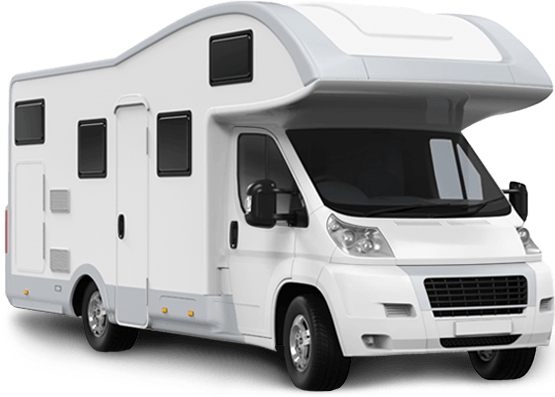
- Class C motorhomes (with an over-cab sleeping area) offer more separation of living and sleeping space, which many couples prefer for longer trips.
- US rentals almost always have automatic transmission, which simplifies driving for visitors accustomed to manuals.
If you are collecting near major gateways such as Los Angeles or Denver, initial driving often involves multi-lane highways rather than narrow city streets.
Driving Rules and Shared Driving
Licensing and eligibility
Many international visitors can drive an RV using a standard car licence, but eligibility depends on the RV weight and the state where you are driving. An International Driving Permit is recommended if your licence is not in English, and some rental companies may require it regardless of state law.
Road rules, measurements, and distances
- Speed limits are posted in miles per hour (mph), not kilometres.
- Fuel is sold in US gallons (1 US gallon equals approximately 3.78 litres).
- Right turns on red lights are often permitted after a complete stop, but rules vary by state and are overridden by local signage.
- Seatbelt use is mandatory for drivers and passengers in all states, with enforcement details varying locally.
Long driving days are common in the US, particularly in western states. Couples often alternate drivers to manage fatigue and should be cautious about night driving, when wildlife collisions are more likely.
Campgrounds and Overnight Stops
Understanding US campground terms
- State parks: Government-run campgrounds located within state-managed natural areas. Facilities are generally well-maintained, but reservation rules and maximum stay limits vary by state.
- Full hookups: A campsite with electricity, fresh water, and a sewer connection directly at the pitch.
- Dump station: A designated facility for emptying grey water and toilet waste tanks.
- Boondocking: Camping without hookups, usually on public land. Legality, stay limits, and permits vary widely by state, land agency, and local authority.
Compared with parts of Europe, overnight parking outside designated campgrounds is more regulated and may be restricted by local ordinances.
Living and Logistics as a Couple
RV living requires coordination when two people share a compact space.
- Water tanks may fill and empty faster than expected, especially when using onboard showers.
- Propane is typically used for cooking, hot water, and heating; refill points are less common than petrol stations and require some planning.
- Many campgrounds enforce quiet hours, commonly around 10pm to 6am, though exact times vary.
Agreeing on routines for packing up, driving handovers, and campsite setup helps reduce everyday friction.
Insurance and Rental Practices
US RV rentals usually include basic insurance, but coverage structures differ from Europe and from provider to provider.
- Damage excess amounts (often referred to as deductibles in the US) are commonly higher than European renters expect.
- Liability coverage limits and inclusions differ by state and insurer and may feel unfamiliar.
- One partner is normally registered as the primary renter, with the other added as an authorised additional driver.
Before booking, review the planning FAQs to understand insurance options, deposits, and documentation requirements.
Communication, Safety, and Emergencies
Mobile coverage can be limited in national parks and remote regions. Couples should download offline maps, share itineraries, and agree on what to do if separated. Emergency services are reached by dialling 911 across the US.
Driving under the influence of alcohol or drugs is strictly enforced nationwide, with low legal limits and severe penalties. In the event of a breakdown, most rental providers offer roadside assistance, and breakdown procedures are explained during vehicle handover.
Getting Started
Travelling the United States by RV as a couple is rewarding when expectations match local realities. Once you understand the systems, distances, and terminology, day-to-day travel becomes more predictable. When you are ready, check current RV availability on USARVRentals.com and start shaping a trip that suits both of you.
Other Things to Consider
- Mileage Allowances, Generator Hours, and Extra Fees Explained
- RV Return Day Checklist
- RV Travel in the Pacific Northwest
- RV Water Systems Explained
- State RV Rules: Colorado
- Tunnel and Bridge Restrictions for RVs