Close

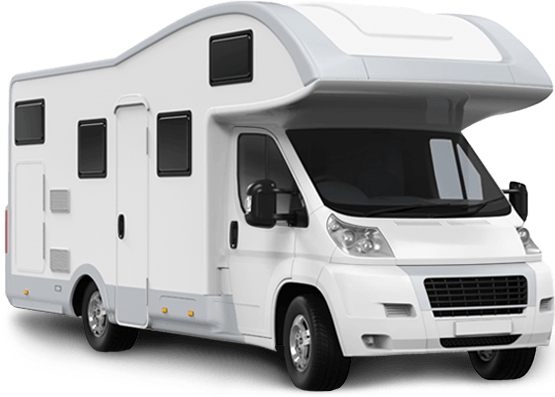
RV Travel in the Pacific Northwest
For international visitors, RV travel in the Pacific Northwest (the north‑west corner of the continental United States) raises practical questions that do not always apply in Europe. Distances are longer, mountain weather can change quickly, and campground booking systems vary by state and managing authority. Understanding US‑specific driving rules, measurements, and camping terminology helps you plan efficiently and avoid common first‑time mistakes.
This handbook focuses on real‑world logistics for travellers hiring a campervan or motorhome in the US and driving through Washington, Oregon, and nearby regions. It assumes you may already have campervan experience in Europe but need clear explanations of American practices such as campground hookups, dump stations, and state park systems. Location inspiration is covered elsewhere on the site; this page concentrates on how to travel, not where.
Driving rules and road conditions
Licensing and driving side
Most visitors can legally drive an RV in the US with a full car licence from their home country, provided it is valid and in English or accompanied by an official translation. An International Driving Permit is recommended and may be required by some rental companies or states. Driving is on the right‑hand side of the road, as in most of continental Europe.
Speed limits and measurements
All US distances and speed limits are measured in miles, not kilometres.
- Typical highway speed limits: 60–70 miles per hour (about 95–113 km/h), though lower limits often apply to larger vehicles.
- Fuel is sold by the US gallon, which is smaller than a UK imperial gallon.
Speed limits are actively enforced, but enforcement practices and penalties vary by state, road type, and sometimes by vehicle size or weight.
Mountains, weather, and seasonal factors
The Pacific Northwest includes mountain passes and coastal roads. Rain is common outside summer, and snow can affect higher elevations even in late spring or early autumn. In some areas, winter road closures or traction requirements (such as snow chains) may apply and can last longer than in more densely populated parts of Europe.
Campervan size and road suitability
US RVs are often wider and longer than European campervans. Roads are generally built for larger vehicles, but older towns, ferry crossings, forest roads, and some park areas may have length, height, or weight restrictions.
- Always check maximum vehicle length and height at campgrounds and on park roads.
- Bridge and tunnel restrictions are usually signed but may appear with limited notice on rural routes.
- Fuel stations along highways are generally large and RV‑friendly, while urban stations may be more restrictive.
Campgrounds and overnight stays
Understanding US campground types
Camping in the US is more structured than in much of Europe, with specific rules depending on the land manager.
- State parks: Operated by individual states; usually scenic and well‑maintained, with rules that vary by state.
- National parks: Federally managed; highly regulated, with size limits, fixed stay lengths, and reservations that often book out months in advance.
- Private RV parks: Commercial sites with extensive facilities and more flexible access, subject to park policies.
Hookups and utilities
US campgrounds describe services differently than European sites.
- Full hookups: Electricity, fresh water, and sewer connection at your site.
- Partial hookups: Usually electricity and water only.
- Dump station: A designated place to empty toilet and wastewater tanks; this may be free or fee‑based.
Boondocking explained
Boondocking means camping without hookups, typically on public land. It is permitted only where the relevant land authority allows it and is subject to local rules such as stay limits and vehicle access. This differs from informal wild camping in Europe, and regulations vary widely by state and managing agency.
Fuel, distances, and daily planning
Fuel availability is generally good on major routes, but distances between towns and services can be much longer than expected for European drivers.
- Plan driving days in miles rather than hours.
- Refuel when the tank drops below one‑quarter, especially in remote areas.
- Mobile coverage and roadside services may be limited in mountainous or forested regions.
Insurance, emergency services, and safety
RV rental insurance in the US works differently than European CDW policies. Coverage levels, excess amounts, and roadside assistance vary by provider and state. Always confirm what is included, including windscreen, tyre, and roadside cover, before departure.
Emergency services are dependable but response times can be long in rural areas. Dial 911 for police, fire, or medical emergencies throughout the US. Wildlife on roads, especially deer, is common outside cities and requires extra caution at dawn and dusk.
Access points and route planning
Many international travellers begin or end their RV journey outside the Pacific Northwest and drive in.
- Los Angeles is a common long‑haul arrival point with strong flight connectivity.
- Denver provides access via the Rocky Mountains and central US routes.
Understanding US distances, regulations, and booking systems early is essential. Our planning FAQ addresses common first‑time questions about timing, rentals, and reservations.
Next steps
Once you are comfortable with the rules and logistics, the Pacific Northwest is a rewarding region to explore by RV. You can check current RV availability and starting locations on USARVRentals.com to match your travel dates and route.
Other Things to Consider
- Mileage Allowances, Generator Hours, and Extra Fees Explained
- RV Return Day Checklist
- RV Travel as a Couple
- RV Water Systems Explained
- State RV Rules: Colorado
- Tunnel and Bridge Restrictions for RVs