Close

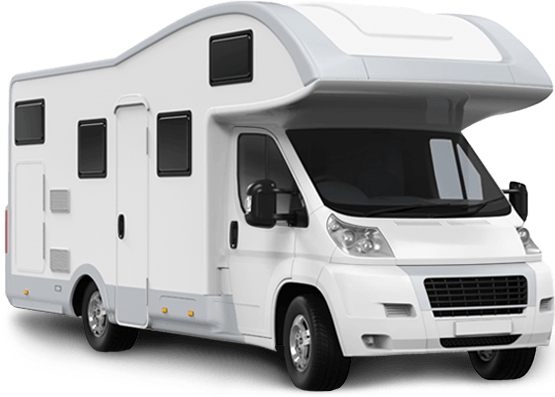
Tunnel and Bridge Restrictions for RVs
Why tunnel and bridge restrictions matter
Many international travellers arrive in the USA with campervan or motorhome experience from Europe, but US road rules and infrastructure are different. Tunnels and bridges can have strict height, weight, length, or hazardous materials restrictions that affect RVs far more often than cars. Missing a sign can mean long detours, fines, or being stopped by police or toll staff, depending on the authority responsible for that structure. In some cases, reversing or turning around inside a tunnel is not possible. Because distances are longer and detours can add hours, understanding these rules is essential for safe and stress-free planning. This guide explains how US tunnel and bridge restrictions work, how to read signs, and how to plan routes correctly when hiring an RV in the United States.
Common RV restrictions on US tunnels and bridges
Restrictions vary by structure, state, city, and managing authority. Always check posted signs and rental paperwork.
- Maximum height: Often shown in feet and inches (for example, 13 ft 6 in). European drivers should note this is roughly 4.1 metres. Posted limits apply to the vehicle as driven, including roof accessories and air-conditioning units.
- Weight limits: Bridges may restrict total weight, especially in rural or older areas. Weight is listed in pounds (lb), not tonnes. Actual loaded weight (fuel, water, luggage) may differ from brochure specifications.
- Length limits: Long motorhomes or RVs towing a car may be restricted or require alternative routes.
- Propane restrictions: Many tunnels restrict or prohibit propane tanks. Rules vary widely: some require tanks to be turned off at the valve, others limit tank size or total capacity, and some tunnels ban RVs with propane entirely.
Urban versus rural differences
Large cities often have older tunnels with tighter limits and separate tunnel authorities. Mountain regions may restrict heavy vehicles on bridges in winter due to weather or structural concerns. If you plan to collect or return an RV near Los Angeles or travel through the Rockies near Denver, route planning is especially important.
How to read US tunnel and bridge signs
US signs use imperial units:
- Feet and inches for height
- Feet for length
- Pounds for weight
Advance warning signs may appear far ahead of the actual restriction, particularly on highways. If your RV exceeds the limit, you must exit before the restricted section. Standard car GPS apps do not always account for RV size or hazardous material rules, so they should be used with caution.
Planning routes for RVs
Before you travel:
- Confirm your RV’s exact height, length, and typical loaded weight with the rental company, not just the published model specifications.
- Ask whether propane must be turned off, limited, or is not permitted for specific tunnels on your planned route.
- Use RV‑specific navigation tools or paper atlases that show restricted routes, and cross‑check with official state Department of Transportation (DOT) or tunnel authority websites where possible.
- Allow extra time for detours, especially in cities and mountain areas.
This is part of broader trip preparation covered in the planning FAQs.
Related US driving and camping terms
Campground access
- State park: A public camping area run by a US state, often with vehicle size limits that are enforced at campground entrances or booking time.
- Full hookups: A campsite with electricity, fresh water, and a sewer connection.
- Dump station: A facility for emptying waste tanks; usually accessed by driving through a dedicated lane.
Boondocking
Boondocking means camping without hookups, often on public land managed by federal or state agencies. Access roads may include low bridges, seasonal closures, or weight‑restricted crossings, so check carefully with local land managers.
Insurance and rental considerations
If you damage a bridge, tunnel, or your RV by ignoring posted limits, insurance coverage may be limited or excluded, depending on the rental agreement and insurer. US rentals expect drivers to obey all posted signage. Unlike some European countries, there is no single national permit system that overrides local tunnel or bridge restrictions.
Final planning tips
- Write key measurements (height, length, and approximate loaded weight) inside the cab for reference.
- When in doubt, take the longer route.
- Never assume a motorway or toll road is RV‑friendly without checking restrictions first.
When you are ready, check RV availability and vehicle sizes on USARVRentals.com to match your route plans with the right motorhome.
Other Things to Consider
- Mileage Allowances, Generator Hours, and Extra Fees Explained
- RV Return Day Checklist
- RV Travel as a Couple
- RV Travel in the Pacific Northwest
- RV Water Systems Explained
- State RV Rules: Colorado