Close

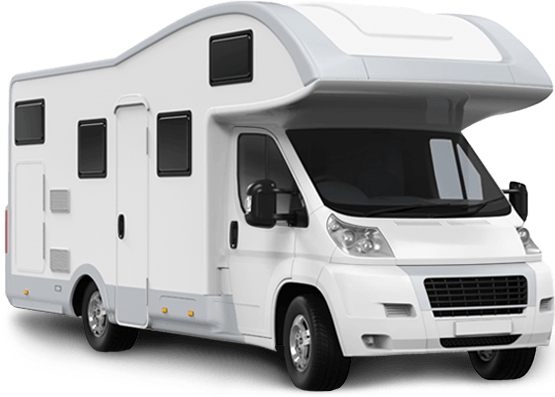
Driving an RV in US Cities vs Highways
Driving an RV in US Cities vs Highways
For international travellers, driving an RV in the United States can feel familiar on open highways but challenging in large cities. The rules, road layouts, and driving culture differ from Europe, especially when handling a long, wide vehicle in busy urban areas. Understanding where RV driving is easy, where extra planning is needed, and what is legally permitted helps you avoid stress, fines, and unnecessary damage.
This guide explains the key differences between US city driving and highway driving in an RV, using plain language and real-world examples. It focuses on legal requirements, road design, parking, fuel access, tolling, and safety—so you can plan routes confidently, whether you are crossing states or navigating major metropolitan areas. Keep in mind that many rules vary by state and city.
Vehicle Size and Measurements
Many RVs in the US are larger than campervans commonly used in Europe.
- Measurements are in feet and inches, not metres.
- Speed limits and distances are in miles, not kilometres.
- Fuel is sold in US gallons (1 US gallon ≈ 3.8 litres).
Typical US motorhomes can be 25–35 feet long (7.6–10.7 metres) and up to 8.5 feet wide (2.6 metres). This matters far more in cities than on highways, especially when turning, parking, or passing under bridges.
Driving on US Highways
Why highways are easier
Highways—often called freeways or interstates—are generally the most comfortable places to drive an RV in the US. Interstates are the main long-distance routes connecting states and major cities.
- Wide lanes and gentle curves
- Clear signage well in advance of exits
- Very few roundabouts compared to Europe
- Consistent speed flow over long distances
Most RV travellers find US highways easier than European motorways, especially in rural states.
Speed limits and lane use
- Speed limits vary by state, typically 55–75 mph (88–120 km/h), and may be lower for large vehicles.
- Some states or cities require slower traffic or larger vehicles to stay in the right lane; signage is used where this applies.
- Overtaking is usually on the left.
Unlike parts of Europe, there is no general autobahn-style unrestricted driving.
Driving an RV in US Cities
Urban challenges
City driving requires more planning and patience, particularly in large metropolitan areas.
- Narrower lanes and tighter turning radii
- Low bridges, overpasses, and overhanging trees
- Heavy multi-lane traffic
- Complex interchanges and short exit ramps
Large cities such as Los Angeles are designed primarily for cars, not recreational vehicles, even though RV ownership is common.
Safety and local driving rules
Some US-specific driving rules can surprise international visitors.
- Right turn on red is usually permitted after stopping, unless a sign запрещs it; this applies to RVs as well.
- Large vehicles have significant blind spots—extra care is needed when changing lanes or turning.
- Many urban toll roads use cashless systems that bill by licence plate or transponder; rental companies have their own policies.
Parking and stopping
Overnight parking on city streets is often restricted or prohibited, and rules vary widely by city.
- Street signs may limit hours, height, length, or vehicle type.
- Parking garages usually have height limits too low for RVs.
- Urban RV parks are rare and often located outside city centres.
Many travellers choose to collect supplies outside the city and stay at a campground or RV park before exploring by public transport or rideshare.
Licensing and Legal Basics
Most international visitors can drive standard rental RVs using a normal car licence, provided it is valid and in English or accompanied by an International Driving Permit. Requirements can vary by state and rental vehicle size, and this is explained in more detail in the driving licence FAQ.
Unlike some European countries, the US generally does not use weight-based licence tiers for typical rental motorhomes, but local exceptions can apply.
Fuel, Service Areas, and Roadside Stops
Fuel stations along highways are generally RV-friendly, with large forecourts and diesel or petrol access.
- Truck stops are large service stations designed for heavy vehicles and are usually easy for RVs to use.
- City fuel stations can be tight, with limited turning space.
Plan fuel stops outside dense urban areas whenever possible.
Campgrounds and Overnight Rules
Common US terms explained
- State park: A public park operated by a US state, often with reservable RV campsites.
- RV park: A private campground with designated RV spaces.
- Full hookups: A campsite with electricity, fresh water, and sewer connection.
- Dump station: A place to empty wastewater tanks.
- Boondocking: Camping without hookups, usually on public land where permitted.
Overnight rules, including boondocking and street parking, depend on local and land-management regulations. Staying just outside major cities—such as near Denver—often provides easier access, quieter nights, and full facilities.
Practical Tips for International Drivers
- Use RV-specific GPS or navigation apps that can account for vehicle height and weight.
- Avoid city centres during peak commuter hours.
- Check bridge heights, toll requirements, and urban road restrictions before entering cities.
- Plan city visits without the RV when feasible.
Planning Ahead
Driving an RV in US cities and on highways requires different skills and planning, but both are manageable with preparation. Understanding that rules vary by state and city, and planning accordingly, will make your trip smoother and safer.
When you are ready, you can explore available RV options and trip planning tools on USARVRentals.com.
Other Things to Consider
- Mobile Internet and SIM Cards for RV Travel
- One-Way RV Rentals Explained
- RV Propane Safety
- RV Travel in California
- State RV Rules: Washington
- Using Rest Areas and Truck Stops