Close

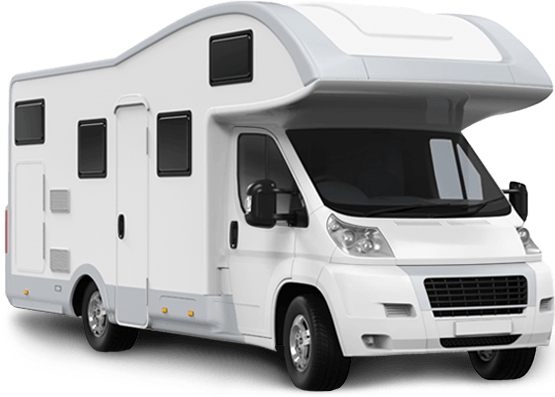
RV Travel in California
RV Travel in California: what international visitors need to know
California is one of the most popular RV destinations in the United States, but it operates under US‑specific rules that can feel unfamiliar to European travellers. Distances are long, vehicles are larger, and camping systems work differently from those in Europe. Understanding state driving rules, campground types, insurance basics, and practical logistics before you arrive will help you travel confidently and avoid unnecessary stress.
This guide focuses on the real‑world and regulatory side of RV travel in California. It explains local laws, measurements, terminology, and everyday practices in clear international English, with comparisons to Europe where helpful. City- and region‑specific information is covered separately on USARVRentals location pages.
Driving rules and road laws in California
Licence requirements for foreign visitors
In most cases, you can drive an RV in California with a standard car driving licence from your home country, provided it is valid and written in English. If your licence is not in English, carrying an International Driving Permit (IDP) is strongly recommended as an official translation.
Requirements can vary by vehicle type and situation, so always confirm with your rental provider. More detail is available in the USARVRentals FAQ on driving licence rules for RV rentals.
Speed limits and road rules
- Speed limits are shown in miles per hour (mph), not kilometres.
- Some larger vehicles, motorhomes, or vehicles towing trailers may be subject to lower maximum speeds, depending on road type and conditions.
- Right turns at red traffic lights are usually allowed after coming to a complete stop, unless a sign specifically prohibits it.
- You drive on the right-hand side of the road, which may be new for UK, Irish, Australian, or New Zealand travellers.
California has fewer toll motorways than many parts of Europe, but toll roads do exist. These are often cashless and may charge by vehicle registration or electronic pass; rental companies typically explain how tolls are handled.
RV size, weight, and measurements
RV sizes in the United States are often larger than campervans commonly used in Europe.
- Lengths are measured in feet, not metres.
- Fuel is sold in US gallons, not litres (1 US gallon is about 3.8 litres).
- Clearance heights for bridges and tunnels are marked in feet and inches.
Always know your RV’s height, length, and approximate weight. Some scenic roads in California have vehicle length limits, weight restrictions, or steep grades that may be unsuitable for larger motorhomes.
Campgrounds and where you can stay
Types of campgrounds
California uses several campground systems that differ from Europe:
- State parks: Public campgrounds run by California state agencies. They often require advance reservations.
- National parks: Federal parks such as Yosemite. RV site sizes, vehicle length limits, and generator rules can be strict.
- Private RV parks: Commercial parks with more services, broadly comparable to European campsites.
US camping terminology explained
- Full hookups: A campsite with electricity, fresh water, and a sewer connection.
- Dump station: A facility where you empty the RV’s wastewater tanks.
- Boondocking: Camping without hookups, usually on public land. Rules vary by land manager, and opportunities are more limited in California than in some other US states.
Unlike Europe, overnight parking on city streets, beaches, or lay‑bys is often restricted or prohibited, particularly in coastal and urban areas. Always check local signage and regulations.
Fuel, propane, and daily logistics
Fuel stations are common, but not all are designed for large RVs. Diesel is clearly labelled; petrol is called “gas”.
- Propane is widely used for cooking, heating, and refrigeration in RVs. Not all fuel stations offer propane refills.
- Refill availability can be limited in rural areas, so planning ahead is important.
Distances between destinations can be much longer than in Europe. A journey that appears short on a map can still take several hours once traffic, terrain, and speed limits are considered.
Weather, safety, and seasonal considerations
California has very different climates depending on region, elevation, and season.
- Summer temperatures can be extreme inland, increasing the risk of heat‑related issues for travellers and vehicles.
- Mountain passes may require snow chains in winter or during storms; requirements depend on current conditions and vehicle type.
- Wildfires can lead to temporary road closures, air‑quality issues, or campground shutdowns, particularly in late summer and autumn.
Check official state or park authority updates before driving or camping, and be prepared to adjust plans if conditions change.
Starting your California RV trip
Many international travellers collect their RV in major gateway cities. See the USARVRentals location pages for Los Angeles or plan multi‑state routes that connect through hubs like Denver.
Plan and prepare
California rewards travellers who understand the practical side of US RV travel before arriving. Take time to learn the rules, book campgrounds early where possible, and familiarise yourself with US terminology.
When you are ready, check current RV and campervan availability on USARVRentals.com to start planning your California road trip.
Other Things to Consider
- Driving an RV in US Cities vs Highways
- Mobile Internet and SIM Cards for RV Travel
- One-Way RV Rentals Explained
- RV Propane Safety
- State RV Rules: Washington
- Using Rest Areas and Truck Stops