Close

Choosing the Right RV Size for Your US Road Trip
Choosing the Right RV Size for Your US Road Trip
For international travellers, choosing the right RV size is one of the most important decisions when planning a US road trip. American RVs are generally larger than European campervans, roads are wider, and campground rules are different. The vehicle you choose will affect where you can stay overnight, how easy it is to drive and park, and what facilities you can use on the road.
Many visitors arrive with European driving experience but are unfamiliar with US measurements, licensing rules, road layouts, and campground systems. Understanding these differences helps you avoid booking an RV that is too big for your route or too small for your travel style. This guide focuses on practical factors such as vehicle dimensions, campground access, driving regulations, and real-world logistics so you can choose an RV size that fits your itinerary and comfort level.
Understanding RV size categories in the USA
In the US, rental vehicles are usually described as motorhomes or campervans. Sizes are measured in feet, not metres. Rental companies also commonly use US class terms, which may not be familiar to international visitors.
- Campervans (Class B): Usually 18–22 feet (5.5–6.7 m). Similar to large European panel vans. Easier to drive and park, often suitable for urban areas.
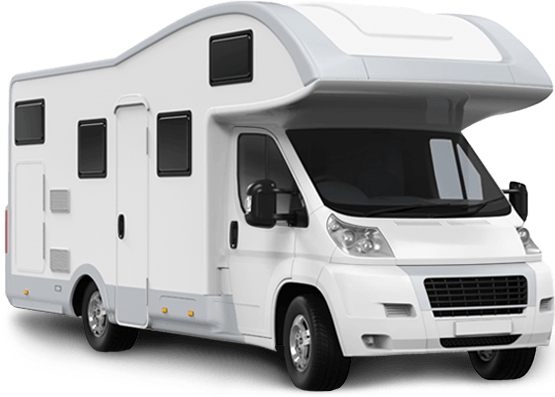
- Small motorhomes (Class C): Around 23–25 feet (7–7.6 m). Popular with couples or small families and common at most campgrounds.
- Medium motorhomes: Around 26–28 feet (8–8.5 m). More living space, but access is restricted in some public campgrounds.
- Large motorhomes: 29 feet (8.8 m) and above. Spacious and comfortable, but more challenging to manoeuvre and limited at many campsites.
Driving and licensing considerations
Most international visitors can drive a rental RV in the US using a standard car licence from their home country. However, requirements can vary by state, by vehicle weight, and by rental company policy. Some travellers may also need an International Driving Permit, depending on their licence language and issuing country.
In practice, no special RV-specific licence is required for most standard rental motorhomes, but travellers should always confirm eligibility with the rental provider before booking.
Compared to Europe:
- Roads and parking spaces are generally wider
- Automatic transmissions are standard
- Distances are shown in miles, fuel in US gallons
- Driving times are often longer than expected
Larger RVs require longer braking distances and can feel intimidating on narrow roads, bridges, or in busy urban traffic. If you are uncomfortable driving a large vehicle, choose the smallest RV that meets your needs.
Campgrounds and RV size limits
Campground access is one of the biggest factors when choosing RV size. Many campgrounds set maximum vehicle length limits, and these limits vary widely depending on location and campground type.
Key US terms to know:
- State park: Public campground run by a US state. Often scenic, usually affordable, and frequently subject to RV length limits.
- National park campground: Located inside US national parks. Typically very scenic, often basic, and commonly restrictive for larger RVs.
- Full hookups: Campsites with electricity, fresh water, and sewer connections.
- Dump station: A facility for emptying waste water tanks.
- Boondocking: Camping without hookups, usually on public land where permitted. Rules and access vary by area.
Smaller RVs generally have access to a wider range of campsites, especially in national and state parks. Always check published campground length limits before booking. You can read more in our campgrounds FAQs.
Urban travel versus national parks
If your route includes major cities such as Los Angeles, smaller RVs are easier to manage. City parking, fuel stations, height restrictions, and overnight parking rules can be challenging for larger vehicles.
For mountain and outdoor routes, such as those starting near Denver, highways are generally suitable for RV travel, but steep grades, tight turns, and campground size limits still apply.
Sleeping capacity and real comfort
US RV rentals often list a maximum sleeping capacity, which reflects seatbelt positions rather than long-term comfort.
- Allow extra space for luggage and supplies
- Convertible beds reduce daytime living space
- Larger RVs improve interior comfort but reduce campsite choice
Fuel use and trip planning
Larger RVs consume significantly more fuel, especially in cities and mountainous regions. Fuel prices are displayed per US gallon (3.8 litres), which often surprises international travellers.
As RV size increases, planning shorter driving days, refuelling stops, and suitable overnight locations becomes more important.
Final tips before you choose
- Match RV size to your route, not just your group size
- Check campground length and height limits before booking
- Smaller RVs are often easier for first-time US RV trips
Once you know what size works for your plans, you can check current RV availability and options across the US on USARVRentals.com.
Other Things to Consider
- Campground Etiquette and US Camping Culture
- Driving in Winter Conditions
- How to Book US Campgrounds (National, State & Private)
- RV Maintenance Basics on the Road
- State Park vs National Park Camping
- State RV Rules: Nevada
- Summer RV Travel and Heat Management
- Understanding US RV Terminology