Close

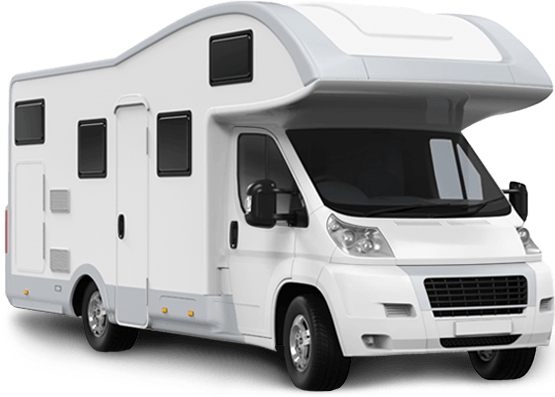
RV Maintenance Basics on the Road
RV Maintenance Basics on the Road
For international travellers, basic RV maintenance is not just about convenience; it directly affects safety, campground compliance, and your rental agreement. In the United States, RVs are generally larger and more self-contained than European campervans, with onboard water systems, generators, and slide-outs (extendable side sections). Roads are long, services can be far apart, and many campgrounds expect you to manage your own water, power, and waste correctly.
Understanding routine checks, US-specific systems, and campground expectations helps you avoid breakdowns, prevent damage charges, and stay within local rules. This guide focuses on practical, real-world maintenance tasks you may need to handle during your trip, noting where rules vary by state, campground, or rental company.
Pre-Drive Checks You Should Do Regularly
In the US, renters are often responsible for daily or weekly checks during the trip, even though the vehicle is serviced before pickup. Exact responsibilities depend on your rental contract.
- Tyres (tires): Check pressure using PSI (pounds per square inch), not bar. Pressure guidelines are usually posted inside the RV or in the door frame. Under- or over-inflation increases blowout risk on long highway drives.
- Lights and indicators: US driving frequently involves long highway stretches and night travel. Check brake lights, headlights, and turn signals before longer days.
- Mirrors, cameras, and clearances: Many US RVs use side or rear cameras instead of European-style mirror extensions. Take note of vehicle height and posted clearance limits at bridges, fuel stations, and campground entrances.
Understanding US RV Water and Waste Systems
US RVs almost always include onboard water tanks, unlike many European campervans that rely primarily on campsite facilities.
Fresh Water, Grey Water, and Black Water
- Fresh water: Clean water for sinks, showers, and toilets.
- Grey water: Waste water from sinks and showers.
- Black water: Toilet waste. This must only be emptied at approved locations.
A dump station is a designated place to empty grey and black water tanks. Dumping anywhere else is illegal. Access rules and fees vary: some campgrounds include dump use in the stay, while others charge separately or limit use to registered guests.
Campground Hookups and Power Management
US campgrounds are commonly categorised by hookups:
- Full hookups: Water, electricity, and sewer connection.
- Partial hookups: Usually water and electricity only.
- No hookups: Often referred to as boondocking or dry camping; availability and rules depend on land type and local regulations.
Electricity in US campgrounds supplies 120 volts, with different amperage options (commonly 30-amp or 50-amp). RVs are designed for this, but running multiple high-power appliances at once may trip breakers if power is limited. Always use the correct hookup for your RV.
For an overview of how US campgrounds work, see the campgrounds FAQ.
Fuel, Propane, and Generator Care
Fuel in the US is sold by the gallon, not litres. Distances are measured in miles, so fuel consumption can appear higher than expected for first-time visitors.
- Diesel or petrol (gas): Check which your RV uses before refuelling.
- Propane: Used for cooking, heating, hot water, and sometimes refrigeration when not on electric power. Handling rules vary by state and facility.
- Generator: Provides electricity when not plugged in. Many rental companies place limits on daily generator hours, and some campgrounds restrict generator use by time of day.
As a general safety rule, generators and propane appliances should be turned off while refuelling. Propane use near fuel stations or tunnels may also be restricted depending on local regulations.
Roadside Issues and Minor Fixes
US rental companies generally expect renters to handle minor operational issues, but not mechanical repairs:
- Resetting electrical breakers or GFCI outlets inside the RV.
- Checking accessible fuses for appliances.
- Monitoring fluid levels only if safe and instructed, and reporting warning lights promptly.
If you experience tyre blowouts, engine warnings, accidents, or any issue affecting drivability or safety, pull over safely and contact the rental company or roadside assistance before attempting fixes.
Regional Driving Considerations
Long distances and climate extremes affect maintenance planning. Desert heat around Los Angeles can increase tyre pressure and cooling system strain, while mountain routes near Denver require careful speed control and brake management on steep grades. Weather, altitude, and road conditions vary significantly by region and season.
End-of-Day Routine
- Check tank levels, battery status, and generator hours if used.
- Connect electrical, water, and sewer hookups correctly if available.
- Do a slow walk-around to look for leaks, new damage, or warning lights.
Building these habits reduces stress, supports compliance with campground rules, and helps ensure a smooth return process.
When you are ready to apply these basics on your own trip, you can check current RV availability across the USA on USARVRentals.com.
Other Things to Consider
- Campground Etiquette and US Camping Culture
- Choosing the Right RV Size for Your US Road Trip
- Driving in Winter Conditions
- How to Book US Campgrounds (National, State & Private)
- State Park vs National Park Camping
- State RV Rules: Nevada
- Summer RV Travel and Heat Management
- Understanding US RV Terminology