Close

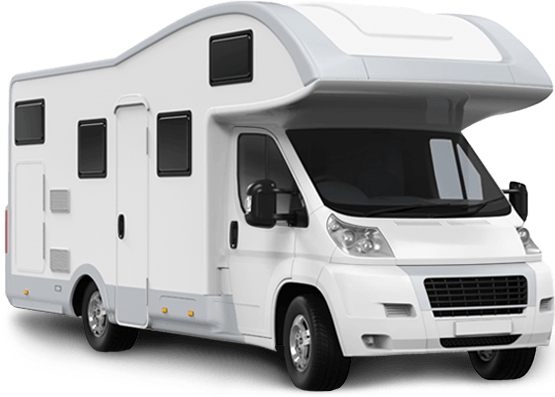
Summer RV Travel and Heat Management
Summer heat in the United States can be far more intense, widespread, and prolonged than many European travellers expect. Temperatures above 35°C (95°F) are common across large regions, driving distances are long, and air-conditioning often becomes a critical safety system rather than just a comfort extra. For international visitors hiring an RV or campervan, understanding how summer heat can affect driving, camping, power supply, water use, and personal safety is essential.
This handbook explains how to manage heat while travelling in an RV during a US summer. It focuses on practical realities such as campground infrastructure, rental vehicles, fuel and electricity systems, and US-specific terminology. Where helpful, differences between US and European travel norms are explained so you can plan confidently and avoid common mistakes on your first American RV holiday.
Understanding summer conditions in the USA
In the USA, summer heat is not limited to southern regions. Inland areas, deserts, large cities, and even some high-altitude locations can all experience very high temperatures, depending on weather patterns.
- Temperatures are shown in Fahrenheit (°F), not Celsius.
- Distances are long; a single driving day may exceed 300 miles (480 km).
- Many regions have limited shade and limited roadside services, especially outside cities.
Popular fly-drive hubs such as Los Angeles and Denver can both experience summer heatwaves, although local climate, elevation, and coastal influence mean conditions vary year to year.
RV air-conditioning and power supply
How RV air-conditioning works
Most US rental RVs have built-in air-conditioning units for the living area. These are typically powered by an external electricity source and not by the vehicle engine itself.
- Living-area air-conditioning usually requires a 30-amp or 50-amp electrical hookup, depending on the RV size.
- These hookups are available at many, but not all, campgrounds.
- While driving, only the cab (driver's area) air-conditioning is powered by the engine.
Unlike many European campervans, US RVs are generally designed around campground power rather than low-power off-grid cooling. Actual performance and availability can vary by vehicle model.
What are "full hookups"?
A "full hookup" campsite generally provides:
- Electricity
- Fresh water
- Sewer connection (for waste water)
In summer, full hookups are strongly recommended where available because they allow extended air-conditioning use and simplify water and waste management. Availability and exact facilities vary by campground.
Campground types and summer availability
The US has several campground systems, each with different facilities, rules, and booking practices. Understanding these differences is especially important in hot weather.
Common campground types
- Private campgrounds: Often offer full hookups, pools, showers, and on-site staff. Facilities and quality vary by operator, but these are usually the most heat-friendly option.
- State parks: Run by individual US states. Some offer electricity or water, others have no hookups at all.
- National parks: Natural settings with limited services. Many summer sites have no electricity, and generator use may be restricted.
- Boondocking: Camping without services (no power, no water, no toilets). This is generally not advised in extreme heat unless you are experienced and fully prepared.
For detailed explanations of US booking systems and expectations, see the campgrounds FAQs.
Managing water in hot weather
Water use increases significantly during summer travel in the USA.
- Fresh water tanks are measured in US gallons (1 gallon = 3.78 litres).
- Showers, dishwashing, and toilet use can fill waste tanks quickly.
- Not all campgrounds or parks have water refilling stations.
A "dump station" is a designated place to empty waste water tanks. In hot weather, plan dump stops more frequently to reduce odours, hygiene issues, and system stress. Rules and opening hours for dump stations vary by location.
Driving and vehicle considerations
Heat-related driving adjustments
- Avoid driving during peak afternoon heat where possible.
- Watch engine temperature gauges, especially on long climbs.
- Allow extra braking distance; RVs are heavy and braking performance can be affected by heat.
US road rules are broadly similar to Europe, but RVs are typically larger, automatic, and less agile. Speed limits are posted in miles per hour (mph) and can vary by state.
Fuel planning
Fuel stations may be far apart in rural or desert regions. Fuel is sold in US gallons, not litres, and prices, taxes, and payment methods vary by state.
Personal safety and health in summer
- Carry more drinking water than you think you need and drink regularly.
- Heat exhaustion and heat stroke are real risks; symptoms can include dizziness, nausea, confusion, and headache.
- Many US campgrounds have limited shade, especially in desert or coastal areas.
- Pets and children are particularly vulnerable to heat and should never be left unattended in a vehicle.
Inside the RV, reflective windscreen covers, parking with awareness of sun exposure, and keeping blinds closed during the day can all help reduce interior heat.
Practical summer planning tips
- Reserve campgrounds well in advance during peak summer months.
- Choose routes with higher elevations where possible; they are often cooler, but conditions can still change quickly.
- Check whether your rental allows generator use, where it is legal, and any campground quiet-hour restrictions.
Final planning advice
Summer RV travel in the USA is entirely achievable with realistic expectations and proper preparation. Understanding how power, water, heat, campground facilities, and local rules interact will make your trip safer and more comfortable.
If you are ready to move from planning to booking, check current RV and campervan availability on USARVRentals.com and choose a vehicle suited to summer conditions.
Other Things to Consider
- Campground Etiquette and US Camping Culture
- Choosing the Right RV Size for Your US Road Trip
- Driving in Winter Conditions
- How to Book US Campgrounds (National, State & Private)
- RV Maintenance Basics on the Road
- State Park vs National Park Camping
- State RV Rules: Nevada
- Understanding US RV Terminology