Close

Understanding US RV Terminology
Understanding US RV terminology and common American RV terms is essential for international travellers planning their first campervan or motorhome holiday in the United States. Even if you have experience hiring a campervan in Europe, many everyday words in the US RV world mean something different, or describe systems that do not exist back home. Terms related to campgrounds, electrical connections, waste disposal, distances, and road rules can directly affect where you can stay overnight, how you plan routes, and how you use your vehicle safely and legally.
This guide explains common US-specific RV terms in plain English, with practical context for non‑US residents. It focuses on real-world usage rather than marketing language, and highlights key differences compared with Europe. Knowing these terms before you arrive helps avoid confusion at campgrounds, rental depots, fuel stations, and on US roads.
Distances, weights, and measurements in the USA
The USA uses imperial measurements, not metric. This affects route planning, fuel stops, and campground access.
- Miles: Distances and speed limits are shown in miles (1 mile ≈ 1.6 km).
- Feet and inches: Vehicle height restrictions, bridge clearances, and campsite size limits are measured in feet and inches.
- Pounds (lbs): Vehicle weights and load limits use pounds instead of kilograms.
- Gallons: Fuel and water tank capacities are measured in US gallons (1 US gallon ≈ 3.8 litres).
US RV types and everyday rental terms
RV is a broad American term meaning “recreational vehicle.” It includes several vehicle styles.
- Motorhome: A drivable RV with living space built in.
- Campervan (Class B): A smaller RV similar in size to European campervans, often easier to drive in cities.
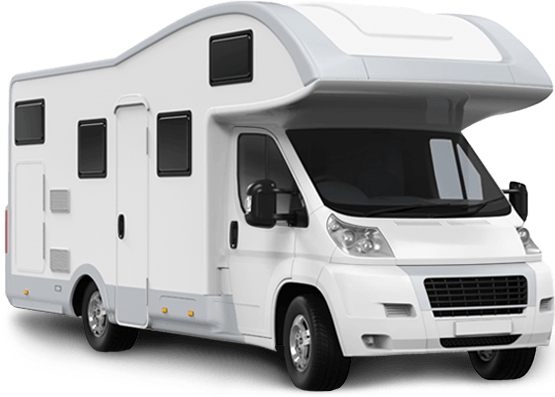
- Class C: A mid-sized motorhome with an over-cab bed, very common in US rentals.
- Class A: A large bus-style motorhome, usually larger than anything commonly rented in Europe.
Driving, licensing, and road terminology
For most standard rental RVs, a regular car licence is usually sufficient, but requirements can vary by state, rental company, and vehicle size.
- Driver’s licence: International visitors typically drive using their home licence. Some states or rental companies may also require or recommend an International Driving Permit (IDP) as a translation.
- Interstate highways: Major multi-lane roads designed for long-distance travel; they are often larger in scale than European motorways.
- Right turn on red: In many states, drivers may turn right at a red traffic light after coming to a full stop, unless signs prohibit it. Local rules and exceptions apply.
Driving distances are often longer than in Europe. Particularly in western states, it is common to plan routes with several hundred miles between major destinations.
Campgrounds and overnight stays in the USA
Camping terminology is one of the biggest areas of difference for European travellers, and rules can vary widely by state, city, and land authority.
- Campground: A designated place to stay overnight with an RV. Overnight parking or wild camping outside these areas is often restricted or prohibited.
- RV park: A commercial campground, usually with marked pitches, paid overnight stays, and full or partial services.
- State park: Public campgrounds run by individual states; facilities, booking systems, and vehicle size limits vary.
- National park campground: Public campgrounds inside US national parks, often with strict vehicle length limits and limited or no hookups.
More detail on booking systems, rules, and facilities is explained in the campgrounds FAQs.
Hookups and electrical terms
- Full hookups: A campsite with electricity, fresh water, and a sewer connection.
- Partial hookups: Typically electricity and water only; waste tanks must be emptied elsewhere.
- 30‑amp / 50‑amp: The electrical capacity of the campsite connection. This is US-specific and determines which appliances, such as air conditioning, can be used simultaneously.
Water and waste terminology
US RVs use separate water and waste systems that travellers must manage responsibly.
- Fresh water tank: Stores clean water for taps, showers, and toilets.
- Grey water: Waste water from sinks and showers.
- Black water: Toilet waste.
- Dump station: A designated facility for emptying grey and black water tanks. Dumping waste outside approved stations is illegal and can result in fines.
Boondocking and US-style free camping
Boondocking is an American term for camping without hookups, often on public land.
- It is relatively common in parts of the western USA.
- Legality and time limits vary by land manager (such as federal, state, or local authorities).
- You must be fully self-contained and follow posted rules regarding waste disposal, fire use, and overnight stays.
Regional planning and terminology differences
Local terms, road conditions, and camping practices can vary by region. Travellers starting in Los Angeles often encounter large commercial RV parks and urban traffic, while routes from Denver may involve higher elevations, mountain driving, and more public land camping. Understanding US RV terminology helps you adapt to regional differences.
Final preparation tips
- Always check vehicle length and height limits before booking campgrounds.
- Confirm what electrical hookups are available and compatible with your RV.
- Plan fuel, water, and dump station stops in advance, especially in remote areas.
Once you are comfortable with common American RV terms, trip planning becomes simpler and more predictable. When you are ready, you can explore available RVs and campervans through USARVRentals.com to start shaping your route.
Other Things to Consider
- Campground Etiquette and US Camping Culture
- Choosing the Right RV Size for Your US Road Trip
- Driving in Winter Conditions
- How to Book US Campgrounds (National, State & Private)
- RV Maintenance Basics on the Road
- State Park vs National Park Camping
- State RV Rules: Nevada
- Summer RV Travel and Heat Management