Close

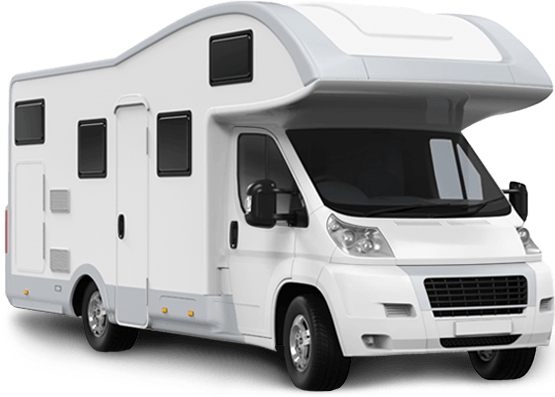
Navigation Apps and Maps for US RV Trips
Introduction
Reliable navigation is essential for any RV or campervan trip in the United States, and it matters even more for international visitors. The US road network is vast, distances are long, and not all routes suit large vehicles. Standard car navigation apps may send you onto roads with low bridges, weight limits, steep grades, or restricted access for recreational vehicles (RVs). Mobile coverage can also be limited in national parks, deserts, and mountain areas, making offline planning critical.
For travellers used to Europe, expect key differences: distances are shown in miles (not kilometres), fuel is sold in US gallons (which are larger than UK gallons), and campsite booking systems differ by location and managing authority. Many campsites are booked through state or federal park systems rather than private campgrounds, but rules and availability vary widely by state and region. This guide explains which navigation apps and maps work best for US RV trips, how to use them safely, and what US-specific terms you will encounter along the way.
Understanding US Navigation Basics
Miles, speed limits, and road layouts
All US road signs and navigation apps use miles and miles per hour. Speed limits can vary widely by state, road type, and even weather conditions. Enforcement practices also vary by location, but penalties can be significant. Unlike much of Europe, long straight highways are common, and towns or services can be very far apart.
Vehicle size matters
US RVs are often larger than European campervans. Some are similar in size to small buses. Always enter your vehicle length, height, and weight into RV-specific navigation tools and pay close attention to posted road signs. Bridge heights, axle weights, and road restrictions are legally enforced and may differ by state.
Best Navigation Apps for US RV Trips
RV-specific navigation apps
RV navigation apps are designed to account for vehicle dimensions and road restrictions. These are strongly recommended for international visitors, especially those unfamiliar with US regulations.
- They help avoid low bridges and narrow roads
- They highlight steep grades, sharp turns, and restricted routes
- They often include campground, dump station, and RV service locations
A dump station is a designated place to empty wastewater tanks. This is standard terminology in the US. Using unauthorised locations for waste disposal is illegal.
General map apps (with caution)
Mainstream apps are excellent for live traffic updates and urban driving, but they assume you are in a car. Use them carefully and always cross-check with road signage and RV guidance, especially in large cities such as Los Angeles, where height restrictions, weight limits, and complex interchanges are common.
Offline Maps and Paper Backups
Mobile signal can disappear quickly in remote areas, deserts, and national parks. Always download offline maps before you travel.
- Offline maps allow navigation without mobile data
- Paper atlases designed for RVs are still widely used in the US and often show truck and RV restrictions
- Park visitor centres frequently provide free local maps and current road condition updates
This is particularly important when driving through mountain regions near Denver, where steep grades, weather-driven closures, and seasonal chain controls can occur.
Finding Campgrounds and Overnight Stops
US campground systems explained
- State parks: Public parks run by individual states; facilities, pricing, and reservation rules vary by state
- National parks: Federally managed and very popular; advance reservations are often required during peak seasons
- Full hookups: Campsites with electricity, fresh water, and sewer connections
- Boondocking: Camping without hookups, usually on public land where explicitly permitted; local rules and time limits apply
Many navigation apps integrate campground databases, which helps you plan driving distances and overnight stops realistically. Always verify overnight legality locally, as rules can change by land agency and region.
Safety, Rules, and Practical Tips
- Do not blindly follow GPS instructions; always obey posted road signs
- Some roads prohibit vehicles over certain heights, lengths, or weights, and fines can apply
- Weather warnings, wildfires, flooding, or snow can lead to sudden road closures
- In mountainous areas, snow chains or traction devices may be legally required at certain times
- Rest areas are common and useful for breaks, but overnight stays are regulated by state and location
For broader cultural and legal context, including driving behaviour, licences, and enforcement practices, see the culture FAQs and the licences and insurance FAQs.
Planning with Confidence
Combining an RV-specific navigation app, offline maps, and a basic understanding of US road systems will make your trip far less stressful. Planning daily driving distances conservatively is common in the US, particularly for first-time visitors and those unfamiliar with local terrain or regulations.
When you are ready to turn planning into action, you can check RV availability and pickup locations through USARVRentals.com.
Other Things to Consider
- Cross-State RV Travel: What Changes?
- RV Travel in Florida
- RV Waste Disposal Rules
- State RV Rules: Oregon
- Understanding Tolls, Toll Roads, and Toll Passes in the USA
- Understanding US RV Rental Contracts