Close

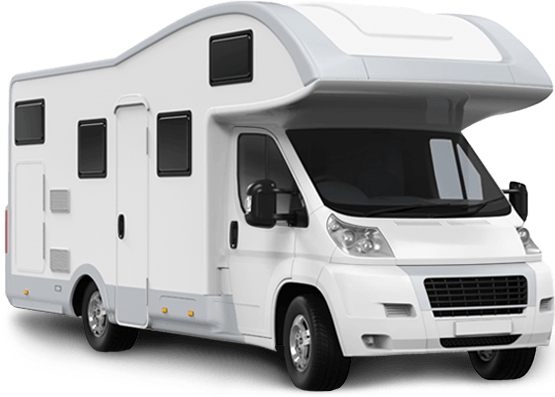
RV Travel in Florida
Introduction
Florida is one of the most popular RV travel destinations in the United States, especially for international visitors. Its warm climate, long coastline, and extensive campground network make it attractive year-round. However, RV travel in Florida follows US-specific rules and systems that can differ significantly from Europe. Understanding local driving laws, campground types, measurements, and rental practices is essential for a smooth first trip. This guide focuses on the practical realities of RV travel in Florida, explaining essential terminology and regulations in plain English and highlighting where US practices may differ from European campervan travel. Where relevant, rules can vary by state, county, or rental operator.
Driving an RV in Florida
Licence and age requirements
Most international visitors can drive an RV in Florida using their standard car licence from their home country, provided it is in English or accompanied by an International Driving Permit. In most cases, Florida does not require a special licence for typical rental motorhomes, but licence acceptance and minimum age requirements can depend on vehicle weight and rental company policy. Always confirm with your rental provider before booking.
Road rules and measurements
- Speed limits are shown in miles per hour (mph), not kilometres.
- Distances are measured in miles.
- Fuel is sold by the US gallon (1 US gallon ≈ 3.78 litres).
Traffic drives on the right-hand side. Compared to much of Europe, US highways are generally wider and designed for larger vehicles, which many first-time RV drivers find reassuring. In cities and older areas, lane widths and turns can still feel tight.
RV size, parking, and toll roads
Florida accommodates large RVs reasonably well, but size still matters, especially in cities, residential neighbourhoods, and beach areas.
- Parking a large RV on public streets is often restricted or prohibited by local ordinances, and enforcement varies by city.
- Many highways and bridges use electronic toll systems. Some rental RVs are equipped with toll transponders or toll programs, while others require you to pay tolls online or via invoice after your trip. Procedures and fees vary by operator.
If you are new to US driving, starting your trip near a major Florida gateway city such as Orlando can help you adjust more easily to US roads before heading further afield.
Campgrounds and overnight stays
Types of campgrounds
- State parks: Public parks run by the state of Florida. Facilities vary by park but often include electric and water connections, restrooms, and showers.
- Private campgrounds: Independently operated sites that often provide more facilities, larger sites, and flexible arrivals.
- RV resorts: Common in Florida, these are highly developed campgrounds with amenities such as pools, laundry, and organised activities.
US campground terminology
- Full hookups: Electric, water, and sewer connections at your individual campsite.
- Dump station: A shared facility where you empty wastewater tanks if your site does not have sewer.
- Boondocking: Camping without hookups. This is limited in Florida and often restricted or prohibited outside designated areas.
Water, waste, and electricity
US RVs use on-board tanks for fresh water and waste, which may be unfamiliar to some European travellers.
- Electric power is typically 30 amp or 50 amp. These amperage standards are higher than most European campsite connections and require matching plugs.
- You must never empty waste tanks anywhere except an approved dump station.
Campground staff will usually explain how connections work, but first-time users should allow extra time and ask questions when unsure.
Insurance and rental practices
US RV rentals normally include a basic level of insurance, but coverage structures differ from European systems. Excess amounts, liability limits, roadside assistance, windscreen cover, and optional upgrades vary by state law and rental provider. Always review your rental agreement carefully. Cultural expectations and typical terminology around insurance are explained further in the culture FAQ.
Safety and weather considerations
- Florida experiences high heat and humidity, especially in summer, which can affect driving concentration and vehicle systems.
- Heavy rain and thunderstorms are common and may cause short-term flooding on roads.
- Hurricane season runs roughly from June to November; campgrounds and authorities may give evacuation instructions if storms approach.
- Wildlife such as alligators, snakes, and insects should never be approached.
Compared to Europe, weather events can be more intense and develop quickly. Always follow local advice, weather warnings, and campground instructions.
Planning your Florida RV trip
Florida campgrounds often require advance reservations, particularly in winter and during school holidays. State parks can book out months ahead. Planning realistic daily driving distances is important; while road infrastructure is good, heat, traffic, and unfamiliar driving conditions can increase fatigue.
When you are ready, check current RV availability and trip options on USARVRentals.com to start planning your Florida journey.
Other Things to Consider
- Cross-State RV Travel: What Changes?
- Navigation Apps and Maps for US RV Trips
- RV Waste Disposal Rules
- State RV Rules: Oregon
- Understanding Tolls, Toll Roads, and Toll Passes in the USA
- Understanding US RV Rental Contracts