Close

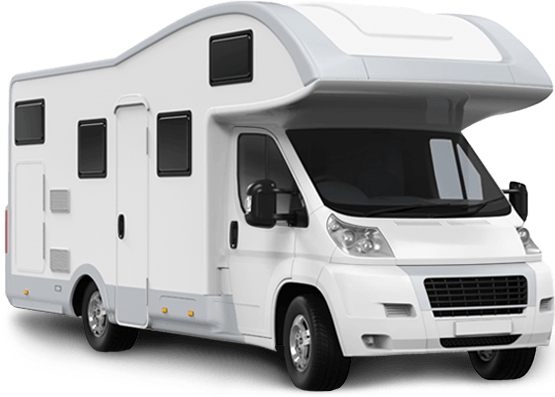
RV Waste Disposal Rules
Why RV Waste Disposal Matters in the USA
Managing waste is one of the most important practical differences between RV travel in the United States and campervan travel in Europe. US RVs are often larger, use different plumbing systems, and operate under rules that vary by state, campground operator, and land management authority. Dumping wastewater incorrectly can lead to fines, cleanup charges, or campground bans, depending on local regulations. For international visitors, the terminology alone can be confusing: black water, gray water, dump stations, and full hookups may be unfamiliar concepts.
Understanding US RV waste disposal rules before you arrive will help you avoid problems, plan your routes, and feel confident using campgrounds and service areas across the country. This guide explains US-specific terms, compares common European practices, and outlines what is typically expected of RV renters in real-world travel situations.
Understanding US RV Waste Systems
Most US RVs have built-in holding tanks rather than portable cassette toilets, which are common in Europe.
- Black water: Waste from the toilet.
- Gray water: Wastewater from sinks and showers.
- Fresh water: Clean water stored separately.
These tanks are measured in US gallons (1 US gallon = approximately 3.8 litres). Even smaller US campervans often carry much more waste than a typical European camper, so planning regular disposal stops is essential.
What Is a Dump Station?
A dump station is a designated place designed for RVs to empty black and gray water safely into a sanitary sewer or approved treatment system. Dump stations are commonly found at:
- Commercial RV parks
- State and national parks
- Some truck stops and travel centres
- Select public campgrounds
Some dump stations are included with an overnight stay, while others charge a small fee or require prior permission to use. Rules about access and payment vary by operator.
Unlike practices that may be tolerated in parts of Europe, dumping RV wastewater into street drains, toilets, or onto the ground is generally prohibited in the United States and can result in penalties depending on local laws. Only use clearly approved dump stations.
Full Hookups vs Partial Hookups
US campgrounds describe services using specific terms:
- Full hookups: Electricity, fresh water, and a sewer connection at your campsite.
- Partial hookups: Usually electricity and water, but no sewer connection.
- No hookups: No on-site services; you must manage all tanks independently.
With full hookups, the sewer connection is typically a capped pipe at ground level near your pitch. You connect your RV’s sewer hose directly to this outlet and empty tanks as needed, following campground instructions.
Where You Can and Cannot Dump Waste
Allowed
- Designated, signed dump stations
- Your campsite sewer connection (full hookup sites only)
- Approved RV service or maintenance areas
Not Allowed
- Roadside drains or public toilets
- Stormwater drains
- Open ground, bushes, or waterways
- Regular car parks or rest areas unless clearly signed for RV dumping
Enforcement levels vary by state, city, and land authority, but improper dumping is taken seriously across the US, especially in parks and urban areas.
Boondocking and Waste Rules
Boondocking means camping without hookups, usually on public land such as Bureau of Land Management (BLM) areas or national forests. While overnight stays may be permitted in some locations, dumping any black or gray water while boondocking is not allowed. You must leave the area with all waste onboard and dispose of it later at a proper dump station.
Urban RV Travel and Waste Disposal
In large cities, waste disposal requires extra planning. Central urban areas rarely provide RV dump facilities, and local restrictions can be stricter than in rural regions.
If you start or end your trip in cities like Los Angeles or Denver, look for dump stations near RV parks, service centres, or along major highways outside the city centre. Many rental depots expect waste tanks to be returned empty or charge a cleaning fee if they are not, so always confirm return conditions with your provider.
Practical Tips for International RV Renters
- Always wear disposable gloves when dumping tanks.
- Follow posted instructions at dump stations; procedures can vary slightly.
- Dump black water first, then gray water to help rinse the hose.
- Ensure the sewer hose is securely connected before opening tank valves.
- Never overfill tanks; level sensors are not always accurate.
- Allow extra time at dump stations during peak travel seasons.
- Ask your rental provider for a hands-on demonstration at pickup.
If you are unsure about expectations or local customs, see the common traveller questions in our culture FAQ.
Final Thoughts
RV waste disposal in the USA is manageable once you understand the system, but it generally requires more planning than many European campers expect. Rules and enforcement can vary by location, so paying attention to signage and campground guidance is important.
Knowing the basics will help you travel responsibly, avoid unnecessary fees or penalties, and enjoy your trip with confidence.
When you are ready, you can explore RV availability and trip options across the United States on USARVRentals.com.
Other Things to Consider
- Cross-State RV Travel: What Changes?
- Navigation Apps and Maps for US RV Trips
- RV Travel in Florida
- State RV Rules: Oregon
- Understanding Tolls, Toll Roads, and Toll Passes in the USA
- Understanding US RV Rental Contracts