Close

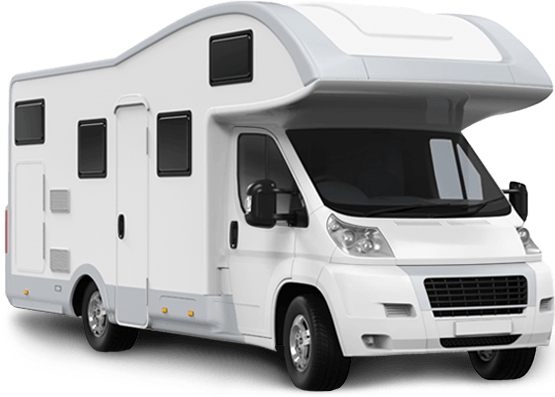
State RV Rules: Oregon
State RV Rules: Oregon
For many international travellers, Oregon is an easy-to-drive introduction to RV travel in the United States. However, US state-level rules can differ from European norms, and understanding local regulations helps you avoid fines, insurance issues, or itinerary delays. Oregon has its own approach to speed limits, road use, camping rules, and environmental protections that may feel unfamiliar if you usually travel by campervan in Europe.
This guide explains Oregon-specific RV rules in clear, practical terms for first-time US visitors. It covers what licence you need, how US road measurements work, Oregon’s approach to wild camping, and how campgrounds are organised. The focus is on the real-world logistics you will face when renting and driving an RV or campervan in Oregon. Regulations can change, and local or vehicle-specific exceptions may apply.
Driving Rules and Road Basics in Oregon
Licences and eligibility
Visitors can generally drive an RV in Oregon using their full home-country driving licence for short stays. An International Driving Permit (IDP) is recommended if your licence is not in English, as it provides an official translation, but it is not a replacement for your original licence. Rental companies may have their own requirements.
Unlike some European countries, the US does not use special licence categories for most larger motorhomes. The majority of rental RVs can be driven on a standard car licence, provided you meet the rental company’s age and eligibility rules.
Speed limits and road units
Speed limits are shown in miles per hour (mph), not kilometres. Distances are in miles.
- Urban roads: typically 25–35 mph
- Rural highways: often around 55 mph
- Interstates: up to about 65 mph in Oregon
Some roads may have lower posted limits for trucks or large vehicles, and weather conditions can require reduced speeds. RV drivers are expected to stay right except when passing. Slower vehicles should allow faster traffic to pass when safe.
Fuel and measurements
Fuel is sold by the gallon, not the litre. One US gallon equals 3.78 litres. Oregon is unusual because many fuel stations still restrict self-service; an attendant may pump the fuel for you, including diesel. However, self-service is allowed in some locations and circumstances, so follow posted instructions.
Safety and On-the-Road Rules
Seat belts, child seats, and mobile phones
- Seat belt requirements apply to the driver and passengers, but details can vary by seating position and vehicle type.
- Child restraint and booster seat laws are strictly enforced and depend on a child’s age, height, and weight.
- Handheld mobile phone use while driving is illegal; hands-free use is permitted.
Alcohol and driving
Oregon enforces strict drink-driving laws. Open alcohol containers are generally not allowed in the driver or passenger areas of a moving vehicle. Rules can vary depending on vehicle type and location, so keep all alcohol sealed and stored away from occupied areas.
RV Size, Weight, and Access Limits
Road restrictions are posted in feet, inches, and pounds. Oregon allows large RVs on most highways, but:
- Some coastal, forest, and mountain roads have low bridge or tunnel clearances.
- Weight limits apply on smaller roads and bridges.
- Always check roadside signage and route information carefully, especially outside cities.
Unlike parts of Europe, physical roadside height barriers are uncommon, but clearances are still legally enforced.
Camping Rules in Oregon
Understanding camping terms
- State park: A publicly managed campground run by Oregon State Parks, usually with marked sites and basic facilities.
- Full hookups: A campsite with electricity, fresh water, and sewer connections.
- Dump station: A designated facility for emptying your RV’s waste tanks.
- Boondocking: Camping without hookups, often on public land. This is regulated and subject to local and federal rules.
Where you can camp legally
Overnight parking rules vary by city, county, and road authority. Overnight stays are often restricted on city streets and may be limited or prohibited at highway rest areas.
- Camp only in designated campgrounds, RV parks, or approved public lands.
- State parks often require advance reservations, especially in summer.
- Boondocking may be permitted only in specific areas, commonly managed by federal agencies such as the Forest Service or Bureau of Land Management, with limits on stay length, location, and seasonal fire restrictions.
Environmental, Wildlife, and Emergency Considerations
Oregon has strong environmental protections. Seasonal fire bans, wildlife crossings, and food storage rules may apply, particularly in forest and coastal areas.
In an emergency, call 911 for police, fire, or medical assistance. Mobile coverage can be limited in rural areas, so plan routes and fuel stops carefully.
Insurance and Rental Practices
US RV insurance works differently from Europe. Rental bookings typically include basic insurance that meets minimum legal requirements, with optional upgrades to reduce your financial responsibility. Coverage details, liability limits, and exclusions are set by US and state law and by the rental provider.
Most rentals start and end in major cities such as Los Angeles or Denver, even if your trip focuses on Oregon. One-way rentals between states are common but must be arranged in advance.
Cultural and Practical Differences
RV travel is mainstream in Oregon, and drivers are generally patient around larger vehicles. However, local communities expect visitors to respect noise limits, waste disposal rules, and posted camping restrictions.
For broader background on US travel habits and expectations, see the relevant culture FAQs.
Planning Your Oregon RV Trip
Understanding Oregon’s RV rules before you arrive helps you plan realistic driving days, choose the right campground type, and avoid common mistakes made by first-time US visitors.
When you are ready, check RV and campervan availability on USARVRentals.com to compare options that fit Oregon’s roads and camping systems.
Other Things to Consider
- Cross-State RV Travel: What Changes?
- Navigation Apps and Maps for US RV Trips
- RV Travel in Florida
- RV Waste Disposal Rules
- Understanding Tolls, Toll Roads, and Toll Passes in the USA
- Understanding US RV Rental Contracts